











Marketing Strategy for Online International Money Transfer Service
Developing a full-funnel marketing strategy to drive customer acquisition and repeat business for an international remittance platform entering the Japanese market.



Breaking into the Japanese market is both exciting and challenging for international SMEs. Japan is home to one of the world’s most discerning consumer bases, where trust, recognition, and cultural alignment can have a significant impact on a brand's success. Unlike in some markets where price or novelty may drive quick adoption, Japanese consumers value quality, social proof, and long-term relationships above all else. For foreign companies, this means branding isn’t just about visibility; it’s about earning credibility, building authentic connections, and showing commitment to the market. In this guide, we’ll explore the strategies SMEs need to build trust, gain recognition, and thrive in Japan’s unique business landscape.
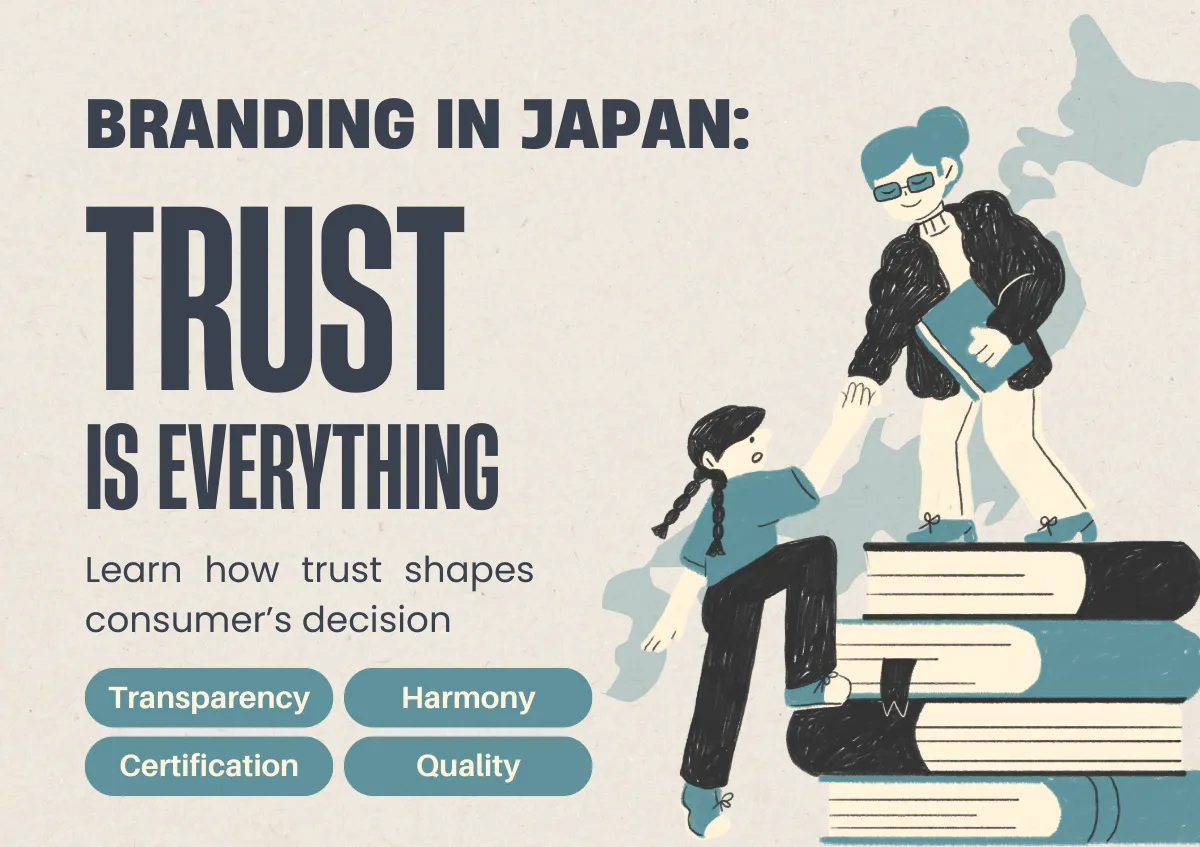
Building trust isn’t just a nice-to-have in Japan; it’s the foundation of every successful brand relationship. In a country where cultural values emphasize harmony, long-term relationships, and risk avoidance, trust is often the deciding factor that determines whether consumers will even consider your brand.
Trust in Japan is rooted in centuries-old values that shape how people interact with businesses:
Harmony (“和” Wa) – Japanese consumers prefer brands that feel consistent, ethical, and aligned with group stability. Aggressive, disruptive marketing can come across as pushy and break that sense of harmony.
Long-Term Relationships – Business in Japan is built slowly, to create relationships that last for years, not just a single sale. Companies that show patience and reliability are rewarded with loyalty that competitors can rarely shake.
Risk Aversion – Japan ranks among the highest in the world in terms of uncertainty avoidance. This means consumers prefer brands with proven track records, or at least clear indicators of trustworthiness, before they’ll try something new.

Due to this cultural backdrop, Japanese consumers tend to evaluate brands more carefully before making a purchase. Some key behaviors include:
Japanese consumers are famously skeptical of marketing claims. The 2020 Edelman Trust Barometer ranked Japan 7th lowest among 26 countries in terms of trust in businesses. For foreign brands, this means one thing: your actions must match your words.
Some practical steps include:
When a brand is new or relatively unknown, third-party validation is critical for building trust. Japanese consumers value certifications, awards, and endorsements as proof that a company is serious and reliable. Examples include:
Once trust is built, Japanese consumers expect that loyalty to be acknowledged. Nearly half of Japanese shoppers choose where to buy based on rewards programs, with point systems being especially popular. Offering meaningful loyalty incentives shows commitment and deepens the brand relationship, turning first-time buyers into lifelong advocates.

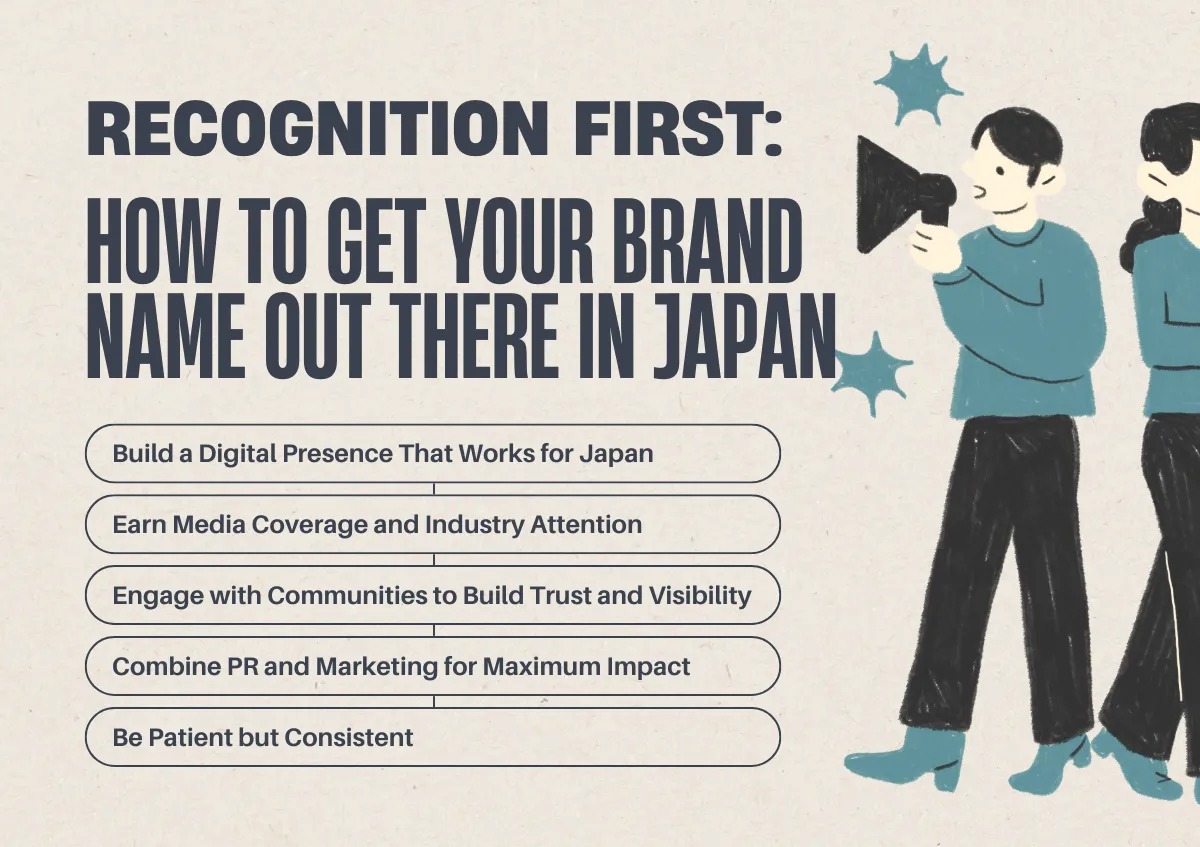
In Japan, trust and recognition are closely intertwined. Consumers are unlikely to engage with a brand they’ve never heard of, no matter how innovative or affordable it may be. For international SMEs entering the market, building awareness (認知拡大) is the critical first step toward building credibility and, eventually, loyalty.
Japan’s digital ecosystem is unique. Unlike other markets dominated by a single platform, Google and Yahoo! Japan both hold significant market share. Optimizing for both search engines ensures that your brand appears when potential customers begin their research.
Key tactics include:
Tip: Digital PR efforts often serve as dual drivers for SEO. Links from reputable Japanese sites not only build credibility but also improve your organic visibility.
Despite the rise of digital platforms, traditional media still holds power in Japan. TV, newspapers, and magazines continue to be highly trusted sources, particularly among older demographics. For SMEs, a combination of traditional and digital outreach creates a stronger path to recognition.
To secure coverage:
Japanese consumers value brands that show commitment to the local community. For smaller companies, this kind of engagement can be just as effective as a big advertising campaign.
Consider strategies like:
These activities not only help with recognition but also make your brand feel more approachable and authentic; a critical advantage in a market that favors established names.
Gone are the days when PR and marketing were siloed in Japan. Today, successful companies integrate publicity, digital campaigns, and SEO strategies to maximize exposure.
Recognition in Japan rarely happens overnight. SMEs that succeed are those that commit to consistent visibility, updating their digital channels, engaging with the media, and actively participating in the community. Over time, this steady presence builds the familiarity and trust that are prerequisites for meaningful market traction.
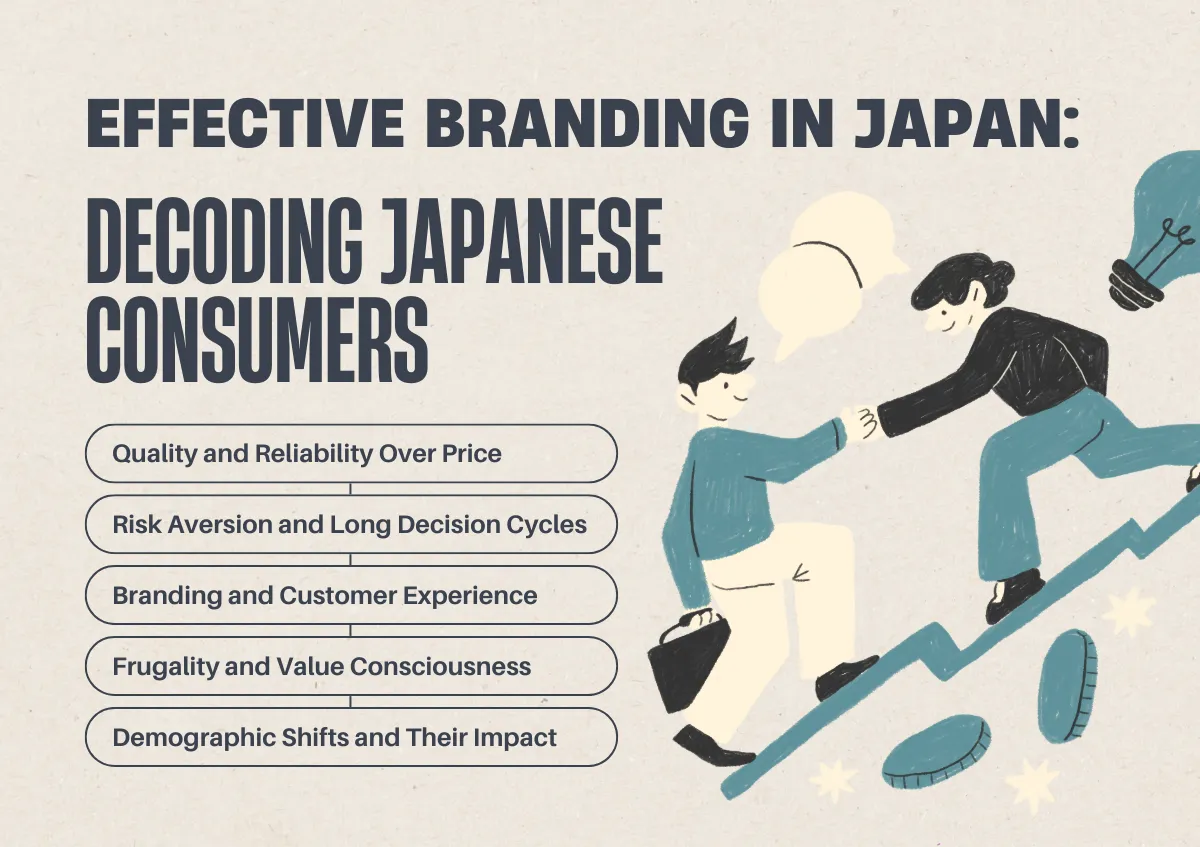
Succeeding in Japan means more than simply translating your marketing materials; it also requires adapting them to the local context. To resonate with Japanese consumers, brands must understand the cultural, economic, and psychological factors that shape their buying behavior. Japanese shoppers tend to be cautious, detail-oriented, and highly value-driven, making recognition and trust prerequisites for success.
Unlike in many Western markets, where consumers often chase the best deal or the latest trend, Japanese shoppers prioritize quality and reliability over cost. They are willing to pay a premium for products that deliver consistent performance, durability, and meticulous craftsmanship. This “cost-to-performance” ethos makes it critical for foreign brands to demonstrate value beyond just pricing.
Example: A skincare SME entering the market emphasized its use of organic ingredients and published detailed quality testing reports in Japanese. The result? Japanese customers, after doing their research, began to see the brand as reliable and worth the premium price tag.
Japan is one of the most risk-averse consumer markets globally. Shoppers typically research extensively before making a purchase, checking ranking sites, reviews, and expert opinions to validate their choice. The decision-making process can be much longer compared to Western countries, but the payoff is significant: once trust is earned, loyalty is strong and long-lasting.
For new or unknown brands, trust signals such as:
…can significantly reduce perceived risk and nudge customers toward that first purchase.
A key cultural difference between Japanese and Western consumers lies in their group-oriented decision-making approach.
| Feature | Western Markets | Japanese Markets |
|---|---|---|
| Mindset | Individualism – purchases often reflect personal style or preference. | Collectivism – group consensus and reputation have a strong influence on choices. |
| Behavior | Willingness to try new brands and experiment. | Loyalty to trusted brands; cautious with new entries. |
| Value Drivers | Price, novelty, and trendiness. | Quality, reliability, and peer validation. |
For foreign brands, this means that marketing messages should highlight social proof and community trust, rather than just individual benefits.
Economic factors, including stagnant wage growth, have fostered a culture of frugality. Japanese consumers carefully consider every purchase, aiming to maximize value and minimize waste. However, frugality doesn’t mean “cheap.” Many shoppers are willing to spend more for products with longer lifespans, better safety standards, or environmental benefits, especially when these qualities are clearly communicated.
Understanding Japan’s demographics is crucial:
Brands that adapt to these demographic realities can create more relevant, targeted offerings.
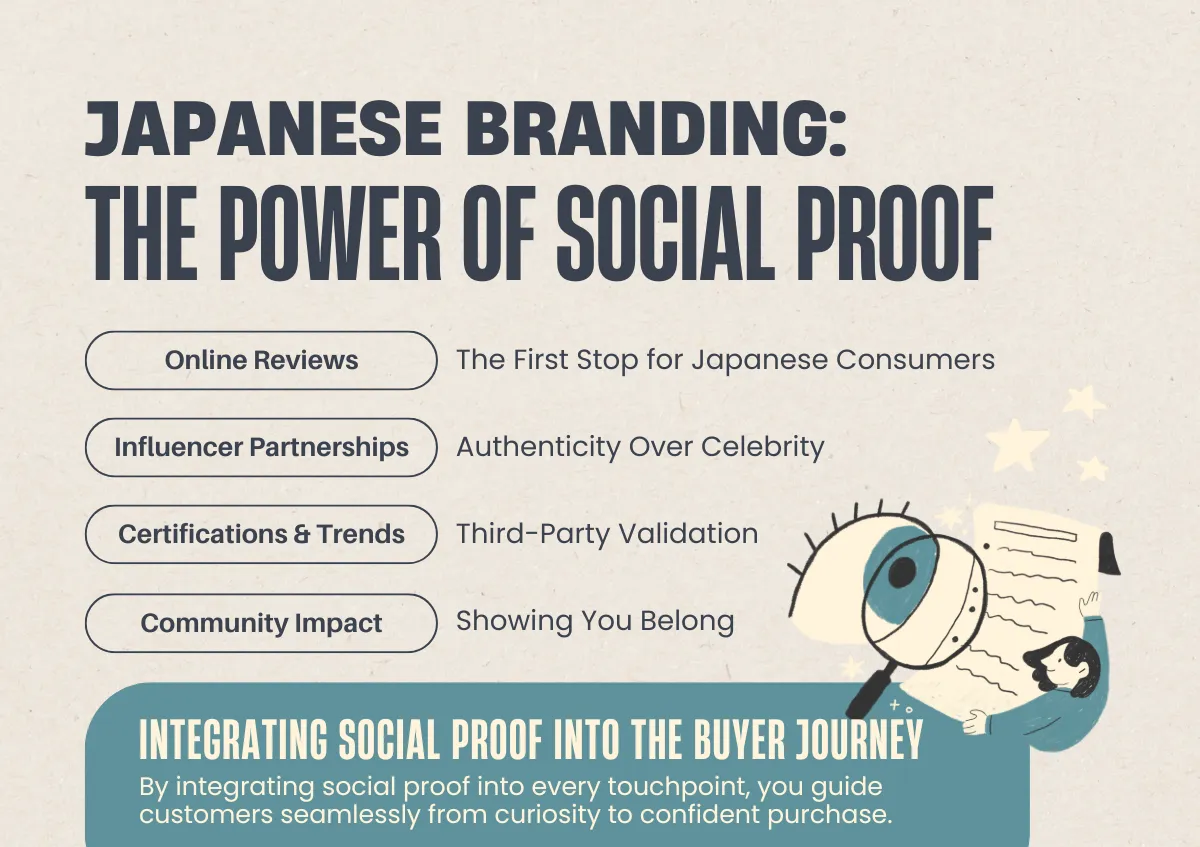
In Japan, social proof is everything. Consumers rarely make decisions in isolation; they look to what others are buying, saying, and recommending before making a move. This behavior is deeply rooted in Japan’s collective culture and its risk-averse nature, creating social proof as one of the most powerful levers for building trust and driving conversions.
Japanese consumers rely heavily on reviews when evaluating a brand or product. Platforms like Tabelog for restaurants, Kakaku for electronics, and cosme.net for cosmetics are not just helpful; they are essential research tools in the buying process.
Key behaviors to note:
Action Step: Encourage real customers to leave thoughtful reviews and make them easy to find. Additionally, consider translating reviews into Japanese when necessary.
In Japan, influencer marketing is less about follower counts and more about trust and relatability. While celebrity endorsements can be effective, especially for large brands, SMEs often see better ROI from micro-influencers with smaller but highly engaged audiences.
Why micro-influencers work:
Tip: Build long-term relationships rather than one-off collaborations. Consistent exposure fosters the perception that your product is a genuine favorite, not just a paid advertisement.

Japanese consumers see certifications and affiliations as strong indicators of credibility. These signals help reduce the perceived risk of trying something new.
Ways to build this trust:
Beyond quality and trends, Japanese consumers respect brands that give back to their communities. This is particularly valuable for foreign SMEs seeking to build local trust.
Examples include:
Such gestures make your brand feel less like a foreign outsider and more like a contributor to the social fabric, which builds goodwill and long-term loyalty.
In Japan, social proof doesn’t just spark interest; it drives action. However, the path to purchase is rarely immediate. Most consumers will research your product further before making a commitment.
To support this cautious journey:
By integrating social proof into every touchpoint, you guide customers seamlessly from curiosity to confident purchase.
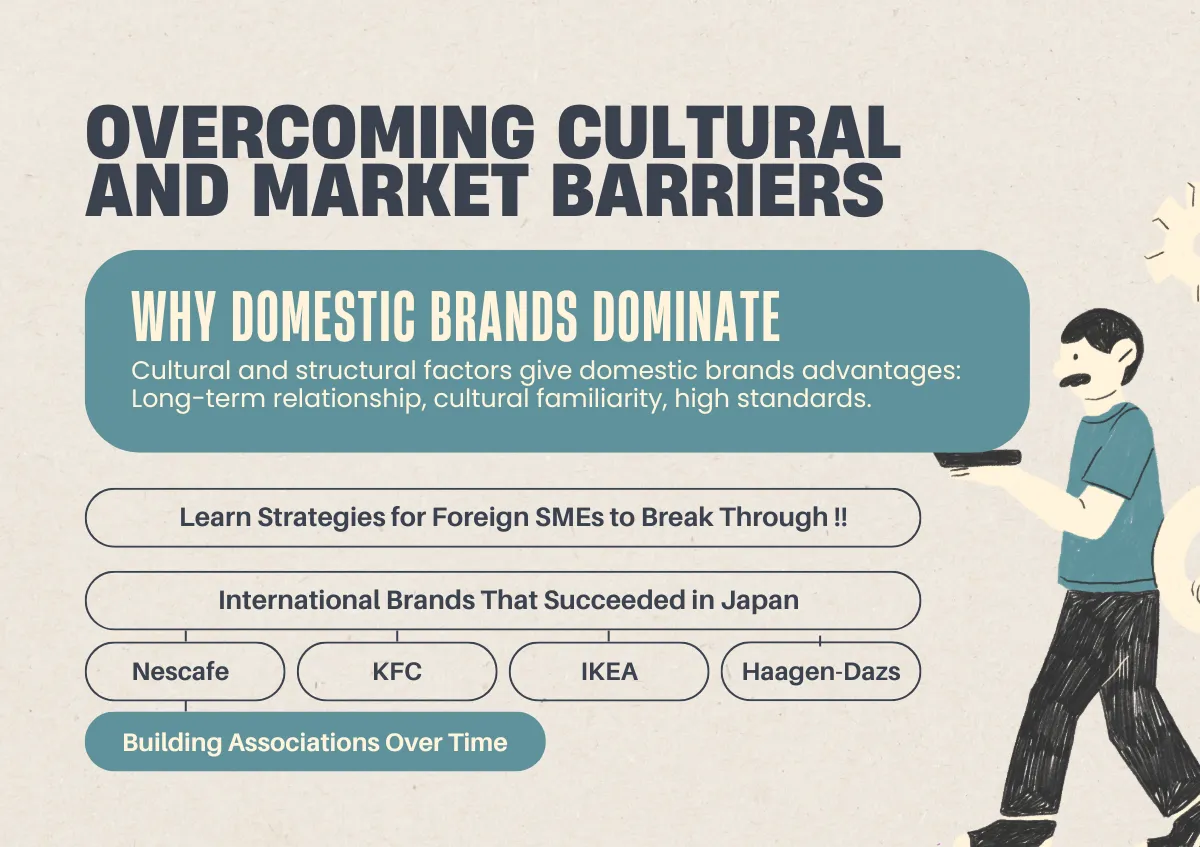
For foreign SMEs, entering the Japanese market means competing against deeply entrenched domestic brands that have earned decades of consumer trust. Japanese companies like Panasonic, Uniqlo, and Hitachi dominate because they embody quality, reliability, and meticulous craftsmanship, values that resonate strongly with Japanese consumers.
However, success is possible for foreign brands that take a patient and strategic approach, focusing on creating unique value rather than competing head-to-head from the outset.
Several cultural and structural factors give domestic brands an advantage:
For example, Uniqlo’s rise to global fame was rooted in its domestic success, where its emphasis on quality basics at affordable prices resonated with Japanese consumers’ desire for value and reliability.
One of the best-known examples of overcoming barriers in Japan is Nescafé in the 1970s. Initially, coffee was not a significant part of Japanese culture, and Nescafé struggled to gain a foothold.
The breakthrough came when the company:
The lesson? Patience and cultural adaptation are essential. Rather than pushing for immediate sales, Nescafé invested in shaping consumer perceptions for long-term success.
While large corporations can invest heavily in advertising, SMEs need smarter, targeted approaches:
1. Start with Niche Positioning
Focus on specialized product categories or unique differentiators where domestic players are less dominant, such as organic skincare, niche fashion, or eco-friendly household products.
2. Leverage Local Partnerships
Collaborating with Japanese distributors, retailers, or influencers provides instant credibility and helps navigate local customs, regulations, and consumer expectations.
3. Gradual Market Entry
Test the waters with pop-up shops, limited editions, or regional launches rather than entering nationwide at once. This approach minimizes risk while building brand awareness organically.
4. Highlight Unique Differentiation
Japanese consumers love products with a backstory or innovation that sets them apart — whether it’s sustainability credentials, heritage craftsmanship, or cutting-edge technology.
Several foreign brands have found creative ways to win over Japanese consumers:
These cases demonstrate that localization, cultural sensitivity, and long-term commitment are crucial for overcoming Japan’s competitive market.
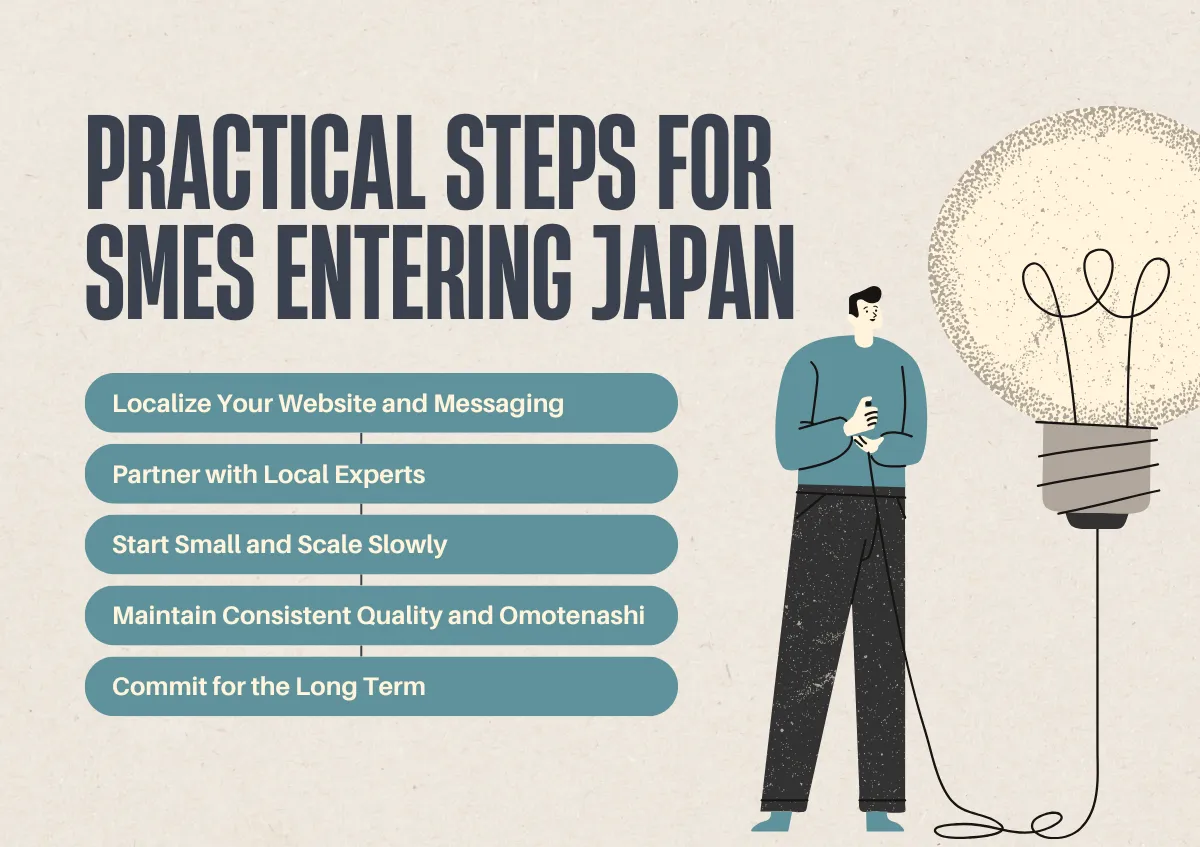
For small and mid-sized enterprises (SMEs), the Japanese market can feel intimidating, but it doesn’t have to be. With a strategic, phased approach, foreign brands can build recognition, earn trust, and scale steadily without overstretching resources. Here’s how to start smart.
Japanese consumers expect brands to speak their language — literally and culturally.
Tip: Include detailed product specifications, FAQs, and clear return and contact policies — these details build confidence with cautious buyers.
From regulatory nuances to unspoken cultural norms, navigating Japan independently is a risk. Partnering with a local agency or consultant, such as IGNITE, can help you:
This local insight often saves SMEs time, money, and potential reputational headaches.
Patience is essential in Japan. Instead of launching nationwide, consider:
This “crawl, walk, run” approach allows you to gather feedback, refine your strategy, and grow sustainably.
In Japan, quality and service are non-negotiable. The concept of omotenashi, thoughtful, anticipatory customer care, is woven into every consumer interaction, from convenience stores to luxury retailers.
To meet these expectations:
Even small gestures, like personalized thank-you emails or loyalty points, can turn first-time buyers into repeat customers.
Success in Japan rarely happens overnight. Brands that thrive are those that invest in the relationship, signaling they’re here to stay. That could mean opening a small office, hiring local staff, or simply showing consistency in communication and product availability. Over time, these actions build the trust needed to grow steadily.
Succeeding in Japan requires patience, cultural awareness, and a long-term mindset. By prioritizing trust, leveraging social proof, and tailoring their approach to meet the expectations of Japanese consumers, SMEs can establish a meaningful presence in an otherwise competitive landscape. Recognition and loyalty don’t happen overnight, but brands that invest consistently in quality, transparency, and authentic engagement will find Japan to be a market of unparalleled opportunity. Whether through local partnerships, community involvement, or customer-first service, the key is to show that your brand belongs in Japan — not as a short-term entrant, but as a trusted, enduring presence.
Succeeding in Japan requires more than just a good product — it demands a deep understanding of consumer expectations and cultural values. The following key takeaways highlight the essential principles SMEs should follow to build trust, gain recognition, and secure long-term success in the Japanese market.
Breaking into Japan doesn’t have to feel overwhelming. At IGNITE, we specialize in helping foreign SMEs localize, launch, and scale their presence in Japan with confidence. As a one-stop digital marketing partner based in Osaka, our multilingual team combines deep cultural insight with data-driven strategies to deliver results.
Whether you need market research, localized content, SEO, advertising campaigns, web design, or long-term brand strategy, we’ll act as your dedicated Japanese marketing team — not just a service provider. Together, we’ll help you build trust, gain recognition, and unlock sustainable growth in one of the world’s most competitive markets.
Ready to establish your brand in Japan?
Let’s ignite your journey today. Contact IGNITE now to learn more!
EN-JA bilingual digital marketer specializing in B2B marketing aligned with sales operations and business strategy. Leverages client insights to execute marketing initiatives that drive results.

Find the right service to grow your business in Japan.