


EC Sales Support for Supplements
Managing Instagram marketing to boost awareness and sales for a supplement brand through daily content, influencer outreach, and engagement campaigns.



Japan is the fourth largest e-commerce market in the world, making it an attractive yet complex destination for international businesses. With a population that is both digitally connected and culturally discerning, the opportunities in Japan are substantial—but so are the challenges.
From payment preferences and mobile-first behaviors to the deep cultural emphasis on customer service and trust, the Japanese e-commerce landscape operates by its own rules. Businesses that fail to localize will struggle, while those that adapt can tap into a loyal and high-value consumer base.
This guide breaks down everything you need to know: how the market works, where Japanese consumers shop, what they buy, which platforms dominate, and what trends are shaping the future. Whether you're new to Japan or seeking to refine your strategy, this resource will help you create a roadmap to success.
Japan’s e-commerce market is one of the most dynamic and distinctive in the world. While it offers tremendous potential for international businesses, succeeding here requires more than just translating a website or setting up logistics. To thrive, companies must understand Japan’s unique consumer culture, e-commerce infrastructure, and shopping behaviors.
Japan’s digital commerce sphere has seen significant expansion over the past decade, underpinned by the country’s emphasis on quality, meticulous service, and technological innovation. Today, Japan ranks as the world’s fourth-largest e-commerce market, with online shopping becoming an integral part of everyday life.
However, Japan’s e-commerce landscape differs from Western markets in several key ways:
| Key Differences | Japan | United States & Other Markets |
|---|---|---|
| Consumer Expectations | High emphasis on service, reliability, packaging, and speed. | Greater tolerance for slower shipping and variable service. |
| Communication Channels | LINE messaging app is often used for direct communication and promotions. | Email newsletters and SMS marketing dominate. |
| Payment Methods | Cashless options growing: PayPay, LINE Pay, コンビニ払い (convenience store payment), COD still common. | Credit cards and PayPal dominate; cash-on-delivery rare. |
| Shopping Frequency | Smaller, more frequent purchases, especially for daily goods. | Bulk buying and less frequent shopping are typical. |
| Returns & Reviews | Highly sensitive to product reviews; returns expected to be smooth and polite. | Returns common, but service expectations may be lower. |
Since 2023, over 53% of Japanese households with two or more members regularly shop online. This figure is steadily rising, driven by factors such as:
Japanese shoppers typically spend around $135 per month on online purchases and make two to three online purchases per month. The market is led by major players such as Amazon Japan, Rakuten, and Yahoo! Shopping, but second-hand marketplaces like Mercari and Yahoo! Auctions also play a significant role due to Japan’s strong culture of thrift and reuse.
Fast delivery is not just a perk but an expectation in Japan, with many orders arriving on the same day. This high bar for logistics and service reflects Japan’s customer-first culture, making reliability and attention to detail critical for foreign companies.
Understanding who shops online in Japan—and how they do so—is essential for crafting an effective market entry strategy. The following table outlines the age distribution of online shoppers:
| Age Group | Percentage of Online Shoppers |
|---|---|
| 18–24 years | 11.4% |
| 25–34 years | 18.9% |
| 35–44 years | 23.6% |
| 45–54 years | 25.6% |
| 55–64 years | 20.5% |
Key demographic insights:
Older generations are increasingly adopting e-commerce, especially for categories like health products, household goods, and hobbies.
For brands targeting Japan, it is essential to balance strategies that appeal to tech-savvy youth while also accommodating older, quality-conscious consumers.
1. Using Major Platforms (Amazon Japan, Rakuten, Yahoo! Shopping)
The majority of online sales in Japan happen through established marketplaces:
Pros:
Cons:
Notable platforms:
2. Running Your Own Online Store (自社サイト / Jisha Site)
Pros:
Cons:
3. Social Commerce & Alternative Models (LINE, Instagram, Live Commerce)
Social commerce is gaining traction, particularly in fashion, beauty, and lifestyle sectors:
Key Channels:
This model often complements marketplace or self-run stores, providing additional traffic and brand exposure.
For international businesses, it’s often wise to begin with a major platform (e.g., Amazon or Rakuten) to establish brand awareness, while gradually developing your own online store and social commerce presence. Local payment options, fast shipping from within Japan, and personalized customer service in Japanese are non-negotiables for success.


Japan offers speedy delivery, exclusive media content, and shopping perks—all adapted to local tastes.
Breaking into Japan’s e-commerce market requires more than just a translated website and international shipping. To succeed, overseas businesses must align their offerings with Japanese cultural expectations, consumer behaviors, and digital habits. Below are the four critical factors every brand must master to thrive in Japan’s competitive online retail environment.
Localization in Japan extends far beyond language—it’s about tailoring your entire customer experience to local expectations.
1. Japanese-Language Website is Non-Negotiable:
A fully localized website in Japanese is essential. Automatic translation tools or English-only sites are often viewed as unprofessional or unreliable by Japanese consumers.
2. Clean, Informative Design:
Japanese e-commerce sites tend to be more text-heavy than Western counterparts, often packed with detailed product descriptions, multiple images, and specifications. This aligns with the Japanese tendency to research thoroughly before making a purchase. Clean navigation, clear pricing, and visible trust signals (like review ratings) are must-haves.
3. Tailored Product Offerings:
Localization also applies to what you sell. For example, IKEA initially struggled in Japan until they adapted their product lines to smaller living spaces. Similarly, KitKat’s Japan-exclusive flavors, such as matcha and sakura, have made the brand wildly popular. Understanding Japan’s urban living, compact spaces, and cultural preferences can help you fine-tune your offering.
4. Mobile-First Mindset:
Japanese consumers spend a significant amount of time commuting and shopping via smartphones. Your mobile experience must be smooth, fast, and fully functional.
Be sure to regularly update your website for seasonal promotions (e.g., sakura season, summer gifts, New Year) as Japanese shoppers are highly responsive to seasonal marketing.
Japan is known globally for its exceptional customer service, and e-commerce is no exception. The standards here are significantly higher than in most Western markets.
1. Fast, Polite Responses:
Japanese shoppers expect quick replies and polite, formal communication in Japanese. Even minor issues can damage trust if not handled with care and efficiency.
2. Local Customer Support is Essential:
Having a Japanese call center or a trusted local partner to handle inquiries is often necessary, especially for higher-value products. Automated replies or English-only support will almost certainly alienate your audience.
3. Returns & Refunds:
A clear and fair return policy in Japanese builds trust. Japanese consumers are meticulous and risk-averse; transparency in this area can help convert hesitant shoppers.
Customer reviews carry enormous weight in Japan. Proactively request feedback and handle negative reviews with delicacy and promptness.
Offering the right payment options can make or break your e-commerce success in Japan.
| Payment Type | Notes |
|---|---|
| Credit Cards | Still widely used (Visa, MasterCard, JCB) |
| PayPay | Japan's most popular digital wallet |
| LINE Pay | Tied to Japan’s largest messaging app LINE |
| Convenience Store Pay (コンビニ払い) | Customers pay in cash at convenience stores—a uniquely Japanese payment method |
| Cash-on-Delivery (COD) | Still preferred by some older consumers |
For expensive items (electronics, luxury goods), offering installment plans or Buy Now Pay Later (BNPL) can significantly boost conversions. This typically requires collaboration with local payment processors and establishing a Japanese legal entity.
Payment security is a top concern for Japanese consumers, especially when trying new or foreign brands. Digital wallets like PayPay also help reassure first-time buyers.
Fast and reliable shipping is among the most critical factors for success in Japan’s e-commerce market. Thanks to Amazon Japan Prime, same-day or next-day delivery has become the norm—anything slower can lead to abandoned carts.
1. Domestic Fulfillment:
Whenever possible, store and ship products from within Japan. Relying on overseas fulfillment can dramatically reduce your conversion rate due to longer shipping times and higher costs.
2. Convenience Store Pickup:
Offering pick-up at convenience stores (7-Eleven, Lawson, FamilyMart) is a popular option in Japan and adds flexibility for customers.
3. Meticulous Packaging:
Packaging presentation matters in Japan—poor packaging can lead to negative reviews, even if the product is of high quality. This is particularly important for gift items or premium goods.
4. Transparent Shipping Policies:
Communicate shipping costs, delivery times, and return processes in Japanese. Surprises at checkout are one of the fastest ways to lose trust.
Partnering with local logistics providers (Yamato, Sagawa, Japan Post) can ensure fast delivery and tapping into the country's extremely efficient courier network.
Japan’s e-commerce ecosystem is largely dominated by a handful of trusted, integrated platforms that cater to its mobile-first, urban-dwelling population. For international businesses entering this market, understanding how each of these platforms functions—and why Japanese consumers gravitate toward them—is essential for deciding where to launch and how to scale.
As of 2023, Amazon Japan and Rakuten together account for over 80% of the Japanese e-commerce market, with others like Yahoo! Shopping and Mercari providing specialized value.
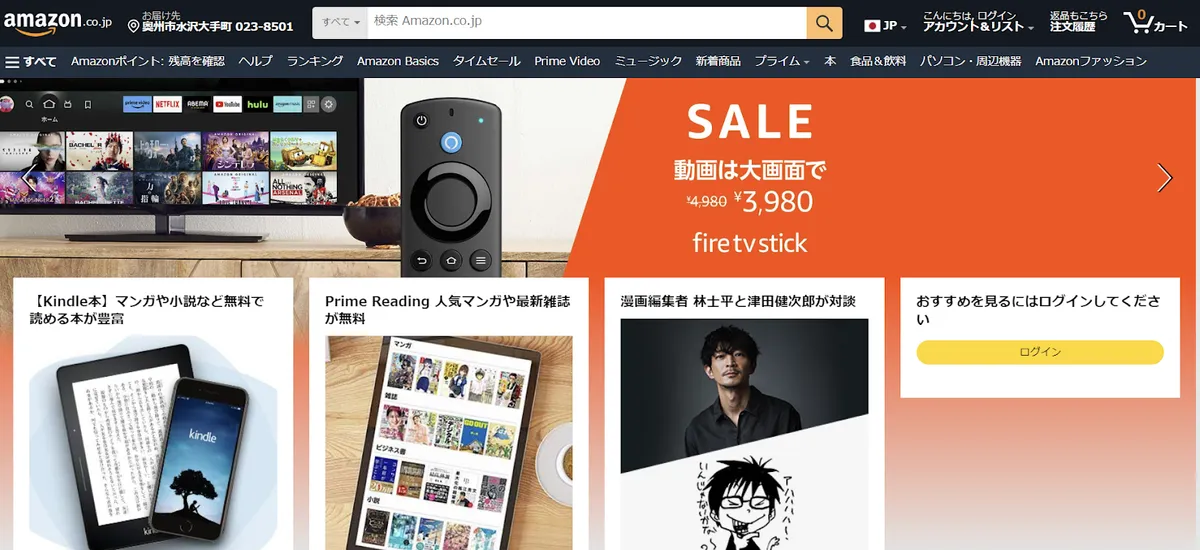
Source: Amazon Homepage
Amazon Japan has steadily risen to become the top e-commerce platform in Japan, with a market share of around 49.6% (as of June 2024) and the highest user preference among online shoppers.
Amazon’s strengths in logistics, customer service, and convenience align perfectly with Japanese expectations, particularly among mobile users and working professionals. Its fast, reliable delivery has set the bar for shipping speed in Japan—same-day or next-day delivery is now considered standard.
Key Differentiators:
English-language listings are technically available through machine translation, but sellers who fully localize their listings and customer service in Japanese gain a significant advantage.
Amazon Japan is the go-to platform for brands seeking to establish scale, speed, and a cross-category presence.

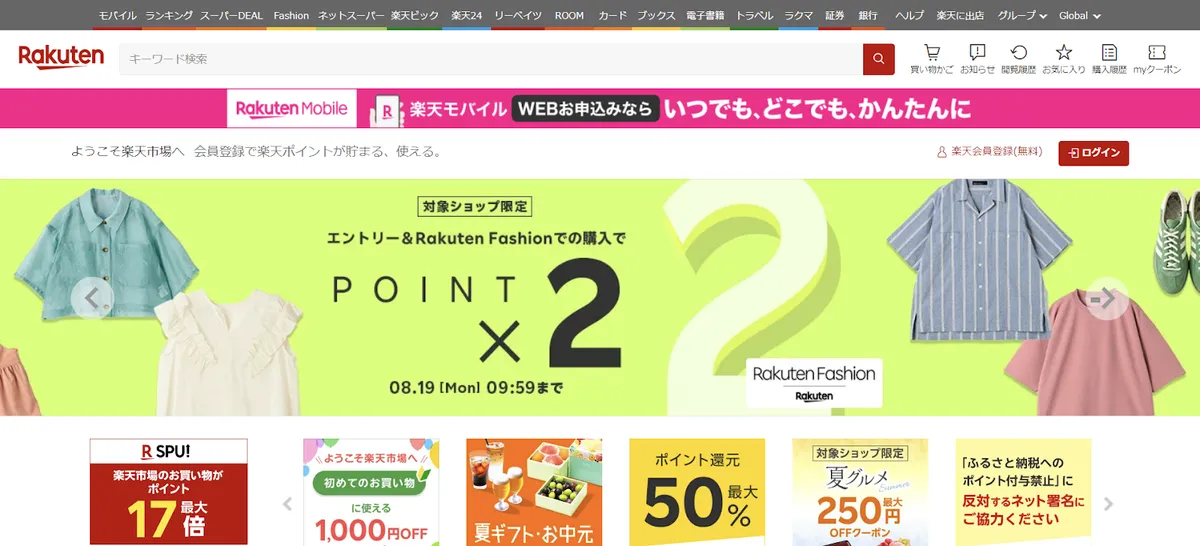
Source: Rakuten Homepage
Founded in 1997 by Hiroshi Mikitani, Rakuten is more than an e-commerce platform—it's an entire digital ecosystem. From Rakuten Bank to Rakuten Travel, Rakuten Mobile, and Rakuten Insurance, the brand has become deeply embedded in the daily lives of Japanese consumers.
What sets Rakuten apart is its highly successful loyalty and gamification system. Through the Rakuten Super Points program, users earn points not just from shopping but also from using affiliated services. These points can be redeemed both online and offline at over 700,000 partner locations, including convenience stores, restaurants, and supermarkets.
Why Rakuten Works in Japan:
Although it holds approximately 32.4% of the market (as of June 2024), down from past highs due to Amazon’s growing presence, Rakuten remains essential for brands that want to tap into the loyalty-driven, domestic-focused segment of the Japanese e-commerce market.
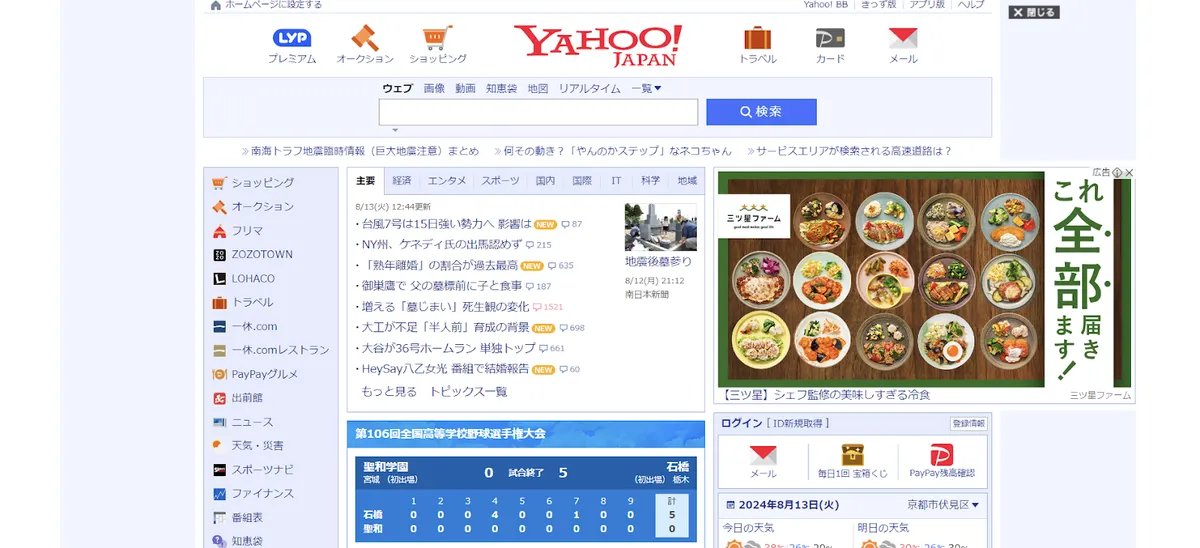
Source: Yahoo! Japan Homepage
Yahoo! Japan remains one of Japan’s most recognizable digital brands. It has maintained its relevance in e-commerce through strategic integrations—most notably, the merger of Yahoo! Shopping with PayPay Mall, Japan’s fastest-growing digital wallet platform.
This integration allows customers to earn and redeem PayPay points, similar to Rakuten’s ecosystem. It has made Yahoo! Shopping particularly attractive to price-conscious shoppers and those who actively use PayPay for daily purchases.
Platform Highlights:
While it holds a smaller share of the market compared to Amazon and Rakuten, Yahoo! Shopping is still among the top ten global e-commerce platforms by traffic, offering brands additional visibility—especially for budget-sensitive or second-hand product categories.
Mercari: The Peer-to-Peer Giant
Qoo10 Japan: Cross-Border Meets Local Niche
Japan’s e-commerce consumers are digitally savvy, highly mobile, and deeply quality-conscious. While smartphones are the device of choice for most shoppers, their preferences span both modern digital experiences and traditional product categories—including physical media, high-end electronics, and fashion.
Japanese consumers are renowned for their high standards in terms of durability, aesthetic value, and functionality. Their shopping habits reflect a blend of high-tech enthusiasm and cultural appreciation for tangible, well-crafted goods.
2022–2023: Product Categories by Annual Spending
| Rank | Product Category | Annual Spend (USD) |
|---|---|---|
| 1 | Fashion | $47 billion |
| 2 | Electronics | $30 billion |
| 3 | Furniture | $24 billion |
| 4 | Personal & Household Care | $22 billion |
| 5 | Toys, Hobbies, DIY | $18 billion |
| 6 | Food | $16 billion |
| 7 | Beverages | $15 billion |
| 8 | Physical Media | $5 billion |
Fashion is the top category among Japanese consumers. This isn’t just about volume—it reflects Japan’s unique style culture. Tokyo is a global fashion epicenter, and consumers are particularly drawn to well-made, tasteful apparel. Foreign brands that adapt their sizing, offer Japan-exclusive collections, or prioritize high-quality materials can establish a loyal following.
Electronics are essential in Japan’s tech-forward society, but they often come with premium price tags. A weak yen, offshored manufacturing, and tariffs contribute to high domestic prices, creating a strong opportunity for competitive overseas sellers offering genuine, high-quality technology.
COVID-19 shifted consumer behavior toward home-centered hobbies, and that trend hasn’t reversed. DIY, home improvement, and lifestyle gadgets continue to appeal to people across all age groups. Japan’s “small home” culture also influences demand for compact, multi-functional products.
Japan remains one of the last global strongholds for CDs, DVDs, photobooks, and vinyl records. A niche—but passionate—collector culture supports this market. Brands catering to this demand (e.g., musicians, creators, or book publishers) can unlock stable revenue streams with the right packaging and localization.
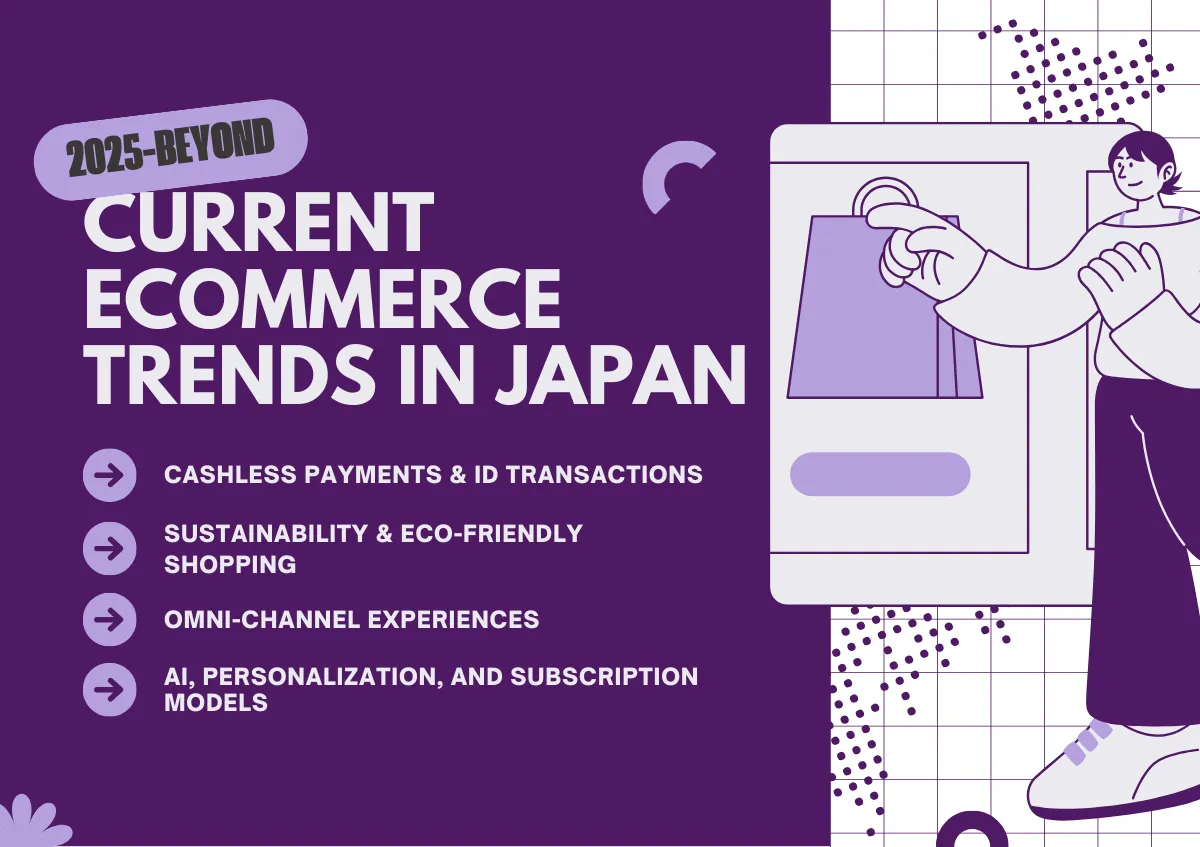
Japan’s e-commerce landscape is evolving rapidly, shaped by digital innovation, changing consumer behaviors, and broader economic shifts. While Japan has traditionally been slower to adopt specific global e-commerce trends, it is now accelerating in areas like cashless payments, mobile-first experiences, sustainability, and AI-powered personalization. Businesses that align with these emerging patterns will be well-positioned to thrive in this sophisticated but demanding market.
For decades, Japan was known as a “cash-first” society—but that reputation is fading quickly. As of 2023, cashless transactions reached 126.7 trillion yen (~$885 billion), making up 39.3% of all consumer payments—just shy of the government’s target of 40% by 2025.
This transformation is fueled by:
Younger generations are leading this shift, but adoption among older consumers is also increasing due to the convenience of non-cash payments and government-backed rebate programs that incentivize them.
For international brands, offering localized payment options—especially QR-based apps and konbini pay (convenience store payment)—is essential. These methods enhance trust and provide familiarity in an otherwise foreign brand experience.
Sustainability is becoming a core value among Japanese consumers—particularly among younger demographics and families.
Buyers are actively seeking products with:
This shift has influenced both marketing language and product offerings. In fashion, for instance, resale platforms like Mercari and clothing rental services like Mechakari have gained popularity. In household goods, brands that emphasize natural ingredients, cruelty-free practices, or biodegradable materials are seeing increased traction.
Retailers are also expected to reflect eco-conscious values in their operations—from carbon-reducing logistics to plastic-free shipping. For global sellers, communicating environmental commitments clearly (in Japanese) and incorporating visual eco-badges or certifications can improve conversion rates and brand trust.
In Japan, the online-to-offline (O2O) experience is more than just a convenience—it’s expected.
Major brands like Uniqlo and Muji have already mastered this approach:
Omni-channel strategies also include:
This seamless flow between digital and physical retail is particularly effective in Japan’s dense urban centers, where shoppers value both in-person service and mobile convenience.
Japan’s e-commerce environment is increasingly powered by AI and predictive analytics, with more than half of B2C companies using or testing AI tools to enhance digital experiences.
Personalization in Practice:
This technology isn’t just for large enterprises. Shopify and other SaaS platforms now offer built-in AI tools for SMEs, allowing smaller brands to create data-driven campaigns that feel localized and relevant.
The Subscription Boom:
Japan’s subscription market is projected to exceed 1 trillion yen (~$7 billion USD) by 2025, and the model is expanding well beyond digital media. Emerging subscription categories include:
| Company | Sector | Description |
|---|---|---|
| PAL System | Grocery Delivery | Weekly shipments of fresh food and meal kits |
| Mechakari | Fashion | Unlimited clothing rentals for a monthly fee |
| Rentio | Electronics | Short- and long-term appliance rentals |
| Hostel Life | Travel & Lodging | Subscription-based hostel accommodations |
| Kodomo Ehon | Children’s Books | Monthly delivery of gently-used picture books |
While Japan offers a lucrative and well-developed e-commerce ecosystem, success here is far from guaranteed. For overseas businesses, understanding the barriers to entry and consumer expectations is just as important as identifying opportunities. Below are the key challenges that international companies must anticipate and address when entering the Japanese market.
Japan is undergoing a gradual transition toward cashless commerce, but cash still maintains a strong presence—particularly among older generations. Despite the growth of digital wallets like PayPay and LINE Pay, many consumers still prefer traditional methods such as cash-on-delivery (COD) and convenience store (konbini) payments.
Common Payment Challenges:
Solution: Businesses must support multiple payment options—including COD, credit cards, PayPay, and konbini pay—to ensure a frictionless checkout experience for all user segments.
Japan is known for its exceptional standards of customer service, often summarized by the saying “お客様は神様です” (The customer is God). While this dedication to service builds trust, it also puts immense pressure on businesses to perform flawlessly.
Key Expectations:
Solution: Offer fully localized customer service, incorporate native review systems, and use local logistics partners to meet delivery expectations. Localization should include both language and tone.

Japan has some of the highest smartphone penetration rates in the world, but mobile e-commerce still faces UX challenges, especially among older users. At the same time, Japan is one of the oldest societies globally, with a median age of 49 and about 10% of the population aged 80 or older.
Mobile vs. Age-Related Usability Issues:
Solution: Invest in responsive mobile design that’s simple and accessible. Consider offering features like:
This dual-focus approach can improve both conversion rates and user satisfaction across age groups.
A unique demographic challenge in Japan is the high number of unmarried adults living with their parents—nearly 11.85 million people aged 20–39, representing about 10% of the total population.
This has created a dual dynamic:
Solution: Segment your audience with precision marketing:
Additionally, brands can find success in targeting aspirational values—promoting travel experiences, personal development, or curated lifestyle improvements that resonate with youth still living at home.

Japan’s e-commerce market is entering a new phase—one that blends innovation with long-term digital maturity. According to ECDB, the market is expected to grow at a compound annual growth rate (CAGR) of 4.9%, reaching $159.5 billion USD by 2028. While not explosive, this steady growth underscores the country’s resilient consumer demand, strong logistics infrastructure, and ongoing digital adoption.
Key drivers behind this growth include the continued rise of mobile shopping, increased use of AI and automation, and the growing popularity of direct-to-consumer (DTC) and subscription-based business models. For global brands, this represents a critical moment to align with Japan’s evolving digital retail environment—or risk being left behind.
Mobile Shopping as the Default
Mobile commerce now accounts for over half of e-commerce transactions in Japan. Brands like Rakuten, Amazon Japan, and PayPay Mall are investing heavily in mobile optimization, ensuring faster checkout, in-app rewards, and AI-driven recommendations.
As Japanese shoppers increasingly rely on their phones for everyday purchases, businesses must ensure that both apps and mobile websites are frictionless, responsive, and visually intuitive.
Did you know that Japanese commuters spend over an hour a day on public transit? This creates a prime window for mobile shopping behavior.
More brands are skipping third-party platforms and launching their own e-commerce sites in Japan. This DTC shift offers:
DTC brands also benefit from building longer-term customer relationships in a market known for brand loyalty and high service expectations.
Japan’s subscription economy is booming, with the market expected to exceed 1 trillion yen (~$7 billion USD) by 2025. These services offer convenience, predictability, and value—all essential traits for time-conscious Japanese consumers.
Examples:
Subscription models thrive because they cater to routine, personalization, and compact living needs—all deeply ingrained in Japanese life.
AI is already transforming Japan’s e-commerce backend and customer experience:
Rakuten and other major players are utilizing AI to anticipate consumer needs and deliver personalized experiences, even adjusting product pages in real-time based on user behavior. These innovations reduce friction and enhance trust—two crucial factors for Japanese consumers.
Japanese consumers are increasingly showing interest in shopping internationally—especially for unique or hard-to-find items. Platforms like AliExpress have seen success, and more global brands are investing in:
The opportunity is clear, but so is the responsibility: brands must fully localize, not just translate.
Japan’s market may seem dominated by large incumbents, but there’s room for innovation and niche positioning—especially for agile international brands that listen and adapt.
Key Strategies for 2025:
A rising trend worth watching is the influence of YouTube creators and independent media personalities. These digital tastemakers are preserving cultural values while shaping purchasing behavior. In the food industry, for instance, creators promoting regional flavors and heritage cuisines have helped niche products gain national and even international traction.

Japan offers one of the most rewarding—but demanding—e-commerce environments in the world. With its blend of technological advancement and cultural nuance, the market doesn’t reward shortcuts. Instead, it values attention to detail, respect for the consumer, and a genuine commitment to localization.
As digital transformation continues to shape how Japanese consumers discover, purchase, and interact with brands, businesses must remain agile, informed, and culturally sensitive to stay competitive. Whether you’re launching on a major platform like Rakuten or developing a fully localized 自社サイト, the path to success starts with deep market knowledge and long-term commitment.
If you can deliver value while adapting to Japan’s high expectations, you’ll find that Japanese consumers are not only loyal—but powerful advocates for your brand.
Entering Japan’s e-commerce market requires more than just translation—it demands accurate localization, strategic planning, and respect for consumer expectations. Here are the core insights to guide your approach:
By aligning your strategy with these key factors, you can establish trust and relevance in a market that values long-term commitment and high-quality execution.
At IGNITE, we specialize in helping international brands succeed in Japan’s highly nuanced digital landscape. Based in Osaka, our multilingual team of Japanese and foreign marketing experts delivers end-to-end digital solutions—from market research and localization to content creation, advertising, and web development.
Whether you're launching an e-commerce platform, optimizing for Japanese SEO, or running paid campaigns tailored to Japan’s cultural pulse, we’ve got you covered.
We localize. We scale. We deliver.
Let us IGNITE your brand’s success in Japan.
EN-JA bilingual project manager with experience leading Japanese translation and localization projects. Oversees SEO-focused content quality, production, and coordination.

Find the right service to grow your business in Japan.