Japan’s Pet Industry: Market Size, Trends, and Growth Opportunities Explained by Sector

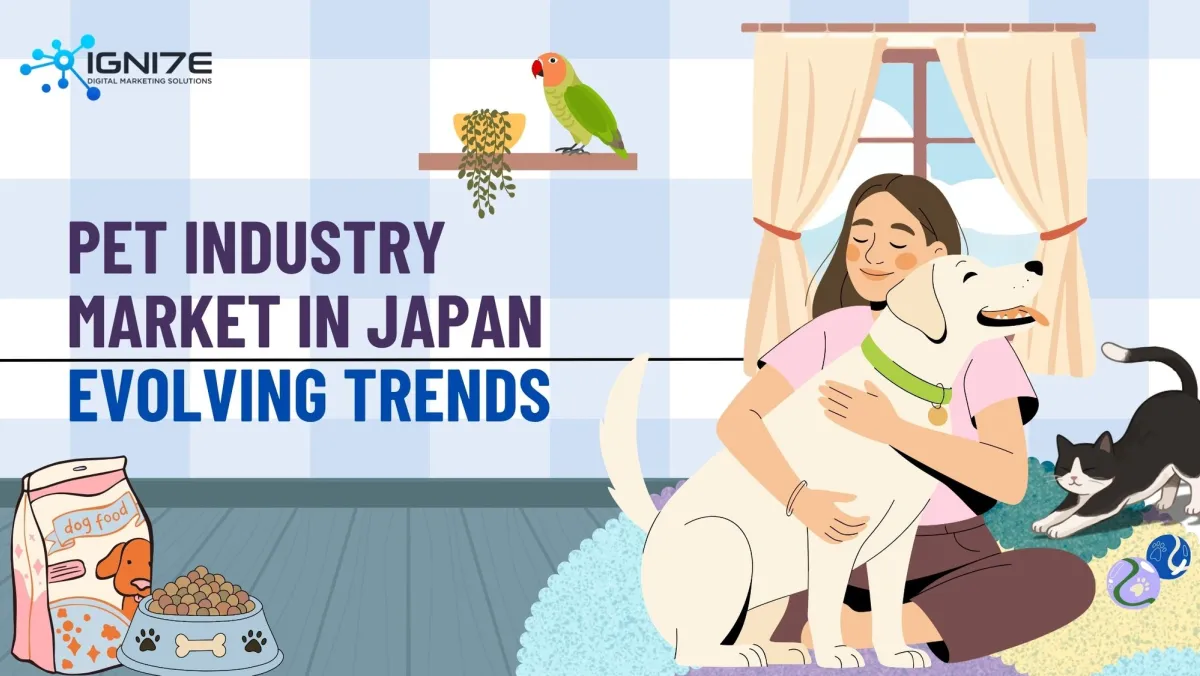
Japan’s pet industry has experienced remarkable growth in recent years, driven by demographic shifts such as an aging population, a rise in single-person households, and changing lifestyles.
Pets are increasingly viewed as family members rather than simply animals kept at home. As a result, consumer spending has expanded far beyond pet food and accessories to include healthcare, insurance, technology, and a wide range of specialized services.
In this article, we explore the size of Japan’s pet market, the factors driving its growth, its historical development, and the key trends shaping the industry today and in the years ahead.
Understanding the Size of Japan’s Pet Industry
For companies considering entering the market or investors evaluating opportunities, understanding the scale and trajectory of Japan’s pet industry is essential. In this section, we examine the latest market data and discuss how the industry has evolved.
Japan’s Pet Market Size (2024–2025)
According to research from organizations such as the Yano Research Institute, Japan’s pet-related market is estimated to be approaching ¥2 trillion (approximately USD 13–14 billion) as of 2024.
Pet food remains the largest segment, but pet supplies, veterinary care, and healthcare services, pet-related services such as grooming and pet hotels, pet insurance, and emerging pet technology products are also driving growth.
The market is expected to continue expanding steadily through 2025, with demand increasingly concentrated in premium and high-value products and services. Spending on premium pet food, specialized veterinary care, and wellness-related offerings has become a major driver of overall market growth.
The widespread adoption of e-commerce has also contributed significantly. Pet owners living outside major cities can now access the same products and services as consumers in urban areas, helping expand the market nationwide.
Changes in Pet Ownership and Pet-Keeping Styles
According to the Japan Pet Food Association’s 2024 National Dog and Cat Ownership Survey, dog ownership has shown a gradual decline in recent years, while cat ownership has remained stable or increased slightly. Cats have consistently outnumbered dogs in Japan for several years.
The growing prevalence of cat ownership over dog ownership reflects broader social and housing changes. As more people move to urban areas and live in apartments or condominiums, cats are often viewed as a more practical option because they generally require less space and do not need daily walks. As a result, they have become particularly popular among single-person and dual-income households.
Dog ownership habits have also changed significantly. Whereas dogs were once commonly kept outdoors, indoor living has become the norm. Sharing living space with pets has created demand for products that blend seamlessly into modern homes, including stylish furniture, designer pet accessories, and aesthetically pleasing home goods.
In addition, multi-pet households are becoming more common, and ownership of small animals such as rabbits, hamsters, guinea pigs, birds, and reptiles is growing. As the number of pets per household increases, household spending tends to rise as well, further contributing to market expansion.
Market Outlook Beyond 2026
Looking beyond 2026, Japan’s pet industry is expected to shift from quantitative growth to qualitative growth.
While the overall number of pets may gradually decline as Japan’s population shrinks, spending per pet is expected to continue rising. Such a shift in spending priorities reflects a growing willingness among pet owners to provide higher-quality food, healthcare, and living environments for their animals.
Several sectors are expected to see particularly strong growth, including veterinary healthcare, pet insurance, and pet technology.
As dogs and cats live longer, demand for specialized medical care, supplements, rehabilitation services, and senior-pet support is expected to increase. At the same time, interest in IoT devices, AI-powered health monitoring systems, and other technology-driven solutions is growing rapidly, creating new opportunities throughout the industry.
Why Japan’s Pet Industry Is Changing
Several long-term social and economic factors are reshaping Japan’s pet market. Understanding these drivers helps explain why the industry continues to expand despite broader demographic challenges.
An Aging Population and the Rise of Single-Person Households
Japan is one of the world’s most rapidly aging societies. As birth rates continue to decline, more people are living alone or choosing not to have children, leading many to view pets as companions, family members, or sources of emotional fulfillment.
For older adults in particular, pets can help reduce feelings of loneliness and provide daily structure and purpose. As a result, senior citizens have become an increasingly important consumer segment within the pet market.
According to projections by Japan’s Ministry of Internal Affairs and Communications, single-person households are expected to continue increasing and could account for roughly 40% of all households by 2040. The demographic shift is helping fuel growth in what is often called the companion animal market.
Some observers have also noted a broader trend in which emotional and financial resources that might once have been directed toward raising children are increasingly being devoted to pets. While not universal, the changing phenomenon has undoubtedly contributed to higher spending on pet-related products and services.
Changes in Disposable Income and Spending Priorities
Over the past decade, Japanese households have gradually shifted their spending priorities.
Consumers increasingly prioritize experiences and services over material possessions, and pet-related expenses have become one of the categories many owners are reluctant to cut back on.
Food and healthcare for pets are often viewed as essential expenses rather than discretionary purchases. Research consistently shows that many owners are willing to reduce spending in other areas before cutting back on spending related to their pets.
The growth of dual-income households has also increased demand for convenience-oriented services and products, including automatic feeders, pet monitoring cameras, grooming services, and daycare options. These products help busy owners maintain high standards of care despite increasingly demanding schedules.
The Evolution of Japan’s Pet Industry
Japan’s pet industry has changed dramatically over the past two decades. The way people view and care for animals today differs significantly from past generations.
The 2010s: The Rise of the “Pets as Family” Mindset
One of the most significant changes in the Japanese pet industry during the 2010s was the widespread acceptance of the idea that pets are family members.
In earlier decades, many pets, especially dogs, were kept outdoors, and basic food and supplies were generally considered sufficient. However, such a mindset began to change rapidly during the 2010s.
The growth of social media played a major role in the transformation. As pet owners increasingly shared photos and videos online, demand grew for products that enhanced both the appearance and quality of pets’ daily lives.
Stylish pet clothing, designer cat towers that complement home interiors, and natural treats made with premium ingredients all became increasingly popular. The market for visually appealing, lifestyle-oriented pet products expanded rapidly as consumers sought products that reflected their personal tastes and values.
Around 2020: Demand Surged During the COVID-19 Pandemic
The COVID-19 pandemic led to a significant boost in Japan’s pet industry.
As people spent more time at home due to lockdowns, remote work, and social distancing, many households decided to welcome a new pet into their lives. Pet adoption and purchases increased significantly during the COVID-19 period.
The pandemic also accelerated the growth of online shopping. Many pet owners turned to e-commerce platforms to purchase food, supplies, and healthcare products without leaving home. As a result, both the number of users and the overall sales volume of pet-related e-commerce businesses increased substantially.
Importantly, many of these online purchasing habits remained even after pandemic restrictions eased, helping establish e-commerce as a permanent and increasingly important part of the pet industry.
Spending more time at home also strengthened emotional bonds between owners and their pets. The deeper attachment contributed to increased demand for premium food, health-focused products, and high-end pet goods, trends that continue to shape the market today.
Recent Trends in Japan’s Pet Industry (2024–2025)
Several notable trends have emerged in Japan’s pet industry between 2024 and 2025. As pet owners continue to view their animals as family members, spending patterns are evolving toward higher-quality products, digital services, and more personalized care.
The Expansion of Premium and High-Value Products
One of the most significant trends in recent years has been the continued premiumization of pet-related spending. Pet owners increasingly want the very best for their pets and are willing to pay higher prices for products that offer superior quality, safety, and functionality.
Demand for grain-free, additive-free, and human-grade pet food has grown steadily. Likewise, toys, bedding, and accessories made from domestic or organic materials have become increasingly popular. Consumers are paying closer attention to ingredient sourcing, manufacturing standards, and overall product quality than ever before.
Rather than seeking the lowest price, many pet owners are prioritizing long-term health, comfort, and well-being, creating strong demand for premium products across virtually every category.
The Growth of E-Commerce, Subscription Services, and D2C Brands
Another major trend between 2024 and 2025 is the diversification of pet businesses through digital channels.
Subscription-based services for pet food and daily necessities have become particularly attractive because they provide consumers with convenience while offering brands stable recurring revenue and strong customer retention.
At the same time, many pet food and pet goods companies have adopted direct-to-consumer (D2C) business models. By selling directly through their own online channels, these brands can offer high-quality products at competitive prices while building stronger relationships with customers.
Digital services are also becoming increasingly common. Online veterinary consultations, telehealth appointments, and chat-based pet care advice are gaining popularity among busy pet owners. As digital adoption continues to increase, technology is expected to play an even larger role in the future of Japan’s pet industry.
The Latest Trends Shaping Japan’s Pet Industry in 2026
As the industry moves into 2026, several broader shifts are becoming increasingly apparent. These developments are expected to influence both consumer behavior and business strategies across the market.
A Structural Shift from Quantity to Quality
One of the defining themes of Japan’s pet industry in 2026 is the shift from quantity-driven growth to quality-driven growth.
With pet ownership growth slowing nationwide, future market expansion is expected to come less from increasing pet numbers and more from rising spending per pet.
Rather than purchasing more products, pet owners are becoming more selective, investing in products and services that genuinely improve their pets’ quality of life. The emphasis on pet well-being affects everything from food and housing to healthcare and experiences.
As a result, spending is becoming increasingly focused on value, effectiveness, and long-term benefits rather than volume.
Growing Demand for Health and Longevity Support
The increasing lifespan of pets is another major factor shaping industry trends.
Today, dogs in Japan often live 14 to 15 years, while cats commonly reach 15 to 16 years of age. As a result, caring for senior pets has become a growing priority throughout the industry.
Demand for specialized senior pet food designed to support joint health, kidney function, weight management, and other age-related needs is increasing rapidly. Veterinary services and rehabilitation programs tailored specifically to aging pets are also seeing significant growth.
At the same time, younger pet owners are increasingly embracing preventive healthcare. Rather than waiting for illnesses to develop, many are investing in supplements, regular health screenings, dental care, and wellness programs designed to support long-term health.
The Mainstream Adoption of Pet Technology
2026 may be remembered as the year pet technology, or “pet tech,” entered the mainstream.
IoT-enabled products such as smart feeders, automated water dispensers, AI-powered monitoring cameras, and GPS tracking devices are becoming increasingly common in households across Japan.
Many of these devices connect directly to smartphone apps, allowing owners to monitor and manage their pets remotely. AI-powered systems can analyze behavior patterns, while tracking devices help prevent pets from becoming lost.
Online veterinary consultations and remote healthcare services are also continuing to expand. Together, these developments are creating an omnichannel ecosystem that combines digital convenience with traditional pet care services.
The Expansion of Sustainability and Ethical Consumption
Growing awareness of environmental issues and animal welfare is influencing purchasing decisions throughout the pet industry.
In the pet food sector, interest in sustainable ingredients, including insect protein and plant-based alternatives, is increasing. Consumers are also showing stronger support for environmentally responsible packaging and products made from recycled or renewable materials.
Beyond products, ethical considerations are becoming more important. Public awareness of issues such as puppy mills, irresponsible breeding practices, and animal welfare has increased significantly. Adoption programs and rescue initiatives are receiving greater attention, reflecting a broader shift toward more responsible pet ownership.
As sustainability and ethics become increasingly important to consumers, companies that align with these values are likely to gain a competitive advantage.
Key Trends Across Different Segments of Japan’s Pet Industry
While some trends affect the entire industry, others are specific to particular sectors. The following sections examine the most important developments across Japan’s major pet-related markets.
1. Pet Supplies and Everyday Living Products
The pet supplies market includes products used in everyday life, such as carriers, beds, litter boxes, toys, harnesses, and other essential accessories.
Rising Demand for Space-Saving and High-Functionality Products
As apartment and condominium living becomes increasingly common in Japan’s urban areas, demand for compact, space-efficient products continues to grow.
Foldable crates, wall-mounted cat walkways, and multifunctional furniture that doubles as pet bedding have become especially popular among urban pet owners.
Demand is also increasing for products that automate routine tasks and reduce the burden of daily care. Self-cleaning litter boxes, programmable feeders, and filtered water fountains are examples of products that appeal strongly to busy professionals and dual-income households.
Growing Preference for Interior-Friendly Design
Design has become an important purchasing factor in the pet supplies market.
Many consumers no longer want pet products that look purely functional or out of place in modern homes. Instead, they are seeking items that complement their interior design and blend naturally into living spaces.
As a result, products made from wood, fabric, ceramic, and other premium materials are replacing many low-cost plastic alternatives. These products often command higher prices and are increasingly purchased as gifts as well as everyday household items.
2. The Pet Food Industry
The pet food industry remains one of the largest and most competitive sectors within Japan’s pet market. Both domestic and international brands continue to introduce new products as demand for specialized nutrition grows.
Expansion of Premium and Functional Pet Food
Premium pet food continues to be one of the fastest-growing segments between 2024 and 2026.
Products emphasizing high-quality ingredients, strict sourcing standards, and minimal additives continue to attract strong consumer interest despite their higher prices.
At the same time, personalized nutrition is emerging as a new frontier. Some brands now offer customized diets based on factors such as age, breed, weight, activity level, and health conditions, creating new opportunities at the intersection of food and technology.
Demand is also growing for functional products designed to address specific needs, including joint support, kidney care, weight management, allergy-sensitive diets, and senior pet nutrition.
Growing Interest in Organic and Additive-Free Products
Many trends influencing human food consumption are now shaping the pet food market as well.
Organic, additive-free, and natural products have become increasingly attractive to health-conscious pet owners. Foods free from artificial preservatives, coloring agents, and flavor enhancers are seeing particularly strong growth.
Human-grade ingredients have also become an important selling point for many premium brands. Because these products align well with e-commerce and D2C sales models, they have created opportunities for startups and niche brands to compete successfully in the market.
3. The Pet Services Market
The pet services sector includes grooming, pet hotels, insurance, training schools, pet transportation services, and many other offerings that support pet ownership.
Growth of Essential Services Such as Grooming and Insurance
Grooming remains one of the core segments of the pet services market.
Demand for regular grooming services remains strong, while consumers increasingly seek providers that offer higher quality, greater convenience, shorter service times, and flexible booking options.
Pet insurance adoption has also increased steadily over the past decade. Rising veterinary costs and growing awareness of advanced medical treatments have encouraged more owners to seek financial protection against unexpected healthcare expenses.
Increasing Demand for Travel and Experience-Based Services
Many pet owners today want to include their pets in a wider range of activities and experiences.
As a result, pet-friendly hotels, traditional inns, cafés, and restaurants are becoming more common throughout Japan. Service quality is also improving, with many facilities offering dedicated pet amenities, dog runs, and specialized accommodations.
Pet-friendly shopping centers and public spaces are also becoming increasingly visible. These developments make it easier for owners to bring pets into their daily lives and create new opportunities for businesses focused on shared experiences.
4. Pet Technology (Pet Tech)
Pet technology is one of the most promising growth areas within the industry, combining IoT, artificial intelligence, and data analytics to improve pet care.
The Growing Adoption of Monitoring and Automation Devices
Pet monitoring devices have become increasingly sophisticated and accessible.
Camera-equipped systems allow owners to check on pets remotely. At the same time, some devices offer two-way audio communication and treat-dispensing functions that enable interaction even when owners are away from home.
Smart feeders and water dispensers have become increasingly common, and more advanced models now include weight management tools and RFID-based feeding controls. GPS tracking devices have also improved significantly, becoming lighter, more accurate, and easier for pets to wear comfortably.
Advances in Health Data Collection and AI Applications
Wearable technology and AI-powered health monitoring are among the most exciting developments in pet tech.
Devices can now track activity levels, sleep patterns, calorie expenditure, and other health indicators, providing owners with valuable insights through mobile applications.
Artificial intelligence is also being applied to medical diagnostics. AI-powered image analysis can help identify skin conditions or eye abnormalities, while behavioral analysis may assist in detecting stress, discomfort, or illness at earlier stages.
As these technologies continue to evolve, they have the potential to transform preventive healthcare and improve overall pet well-being.
5. Pet Healthcare and Veterinary Services
Pet healthcare is widely considered one of the sectors with the greatest long-term growth potential. Advances in medical technology, growing owner awareness, and an aging pet population are all contributing to rapid expansion.
Expansion of Advanced and Specialized Veterinary Care
Veterinary medicine has evolved dramatically in recent years.
Where routine examinations, vaccinations, and spay/neuter procedures once dominated the field, many veterinary clinics now offer advanced medical services comparable to those available in human healthcare.
MRI and CT imaging, cancer treatments, orthopedic surgery, ophthalmology, dermatology, neurology, and cardiology are becoming increasingly accessible. Veterinary specialization is also expanding, with more hospitals focusing on specific conditions or animal types.
The availability of advanced treatment options has contributed to increased adoption of pet insurance, creating a mutually reinforcing cycle in which insurance makes sophisticated care more accessible.
University-affiliated veterinary hospitals and 24-hour emergency animal hospitals are also becoming more widespread, strengthening Japan’s overall veterinary infrastructure.
Growth of Preventive Healthcare and Supplements
Preventive healthcare has become a major focus within the pet healthcare sector.
Rather than waiting for illness to develop, many owners are adopting a proactive approach centered on regular checkups, early detection, and long-term wellness management.
The pet supplement market has expanded rapidly, offering products designed to support joint health, digestive health, skin and coat care, cardiovascular health, and other specialized needs.
Dental care products, stress-management solutions, eye and ear care products, and other wellness-focused categories are also growing steadily. Together, these developments reflect the increasing integration of preventive healthcare into everyday pet care routines.
Business Opportunities in Japan’s Pet Industry
Despite its maturity, Japan’s pet industry still offers significant opportunities for new entrants and existing businesses looking to expand.
Premium and functional pet food remains one of the most attractive segments. Companies that can differentiate themselves through ingredient quality, brand storytelling, or specialized nutritional solutions can often avoid direct price competition with larger manufacturers. Personalized pet nutrition is an especially promising area.
Senior pet care also represents a major opportunity. Demand for products and services designed for aging pets continues to outpace supply, creating opportunities in specialized food, supplements, mobility aids, rehabilitation services, and long-term care solutions. Businesses with expertise in human elder care may find valuable opportunities to adapt their knowledge to the pet sector.
Pet technology offers additional growth potential. Beyond selling hardware devices, companies can build recurring revenue streams through subscription-based health-monitoring services and integrated ecosystems that connect pet owners with veterinarians and other healthcare providers.
Experience-based services also remain underdeveloped. Travel companies, hospitality providers, restaurants, and tourism operators can often attract new customers simply by becoming more pet-friendly and accommodating.
Across all segments, businesses that genuinely understand and address the needs of both pets and their owners are most likely to achieve sustainable long-term success.
Conclusion: Japan’s Pet Industry Is Entering an Era of Quality-Driven Growth
Japan’s pet industry is undergoing a clear transformation from quantity-driven expansion to quality-driven growth.
Premium products, advanced healthcare, pet technology, preventive wellness, and sustainability initiatives all reflect a broader shift in how people care for their animals. Rather than focusing solely on ownership, consumers are increasingly prioritizing quality of life, health, and long-term well-being.
As spending per pet continues to rise, the industry is expected to grow through higher-value products, more sophisticated services, and greater digital integration.
For businesses considering market entry or established companies looking to expand, understanding these trends and responding strategically to evolving consumer expectations will be essential to long-term success.
Frequently Asked Questions

Japan’s pet industry is estimated to be worth nearly ¥2 trillion as of 2024. The approximate figure includes a wide range of sectors, including pet food, supplies, veterinary care, pet services, insurance, and pet technology. Despite slowing growth in the overall pet population, the market is expected to continue expanding as spending per pet increases.
Several factors are driving the growth of Japan’s pet industry. These include the country’s aging population, the rise in single-person households, and the growing perception of pets as family members. Increased spending on pet health, wellness, and premium products has also contributed to market expansion.
In addition, pet ownership increased during the COVID-19 pandemic, while the growth of e-commerce made pet products and services more accessible nationwide. Together, these trends have significantly increased spending per pet.
The industry is expected to continue shifting from quantity-driven growth to quality-driven growth. Rather than relying on an increase in pet ownership, future expansion will be supported by higher spending per pet.
Sectors expected to see particularly strong growth include veterinary care, pet healthcare, pet insurance, pet technology, and services designed for senior pets. Sustainability and ethical consumption are also becoming increasingly important, creating demand for environmentally responsible products and services.
The Japanese pet food market is increasingly focused on premium and health-conscious products. Popular trends include grain-free formulas, additive-free recipes, and human-grade ingredients. Personalized nutrition tailored to a pet’s age, breed, weight, and health condition is also gaining attention.
At the same time, interest in sustainable pet food options is growing, including organic products, plant-based ingredients, and alternative protein sources such as insect protein.
One of the most important factors for success is differentiation through quality and specialization. Rather than competing directly with large established brands on price, new businesses often find greater opportunities by targeting specific niches such as senior pet care, allergy-friendly products, premium nutrition, or sustainability-focused offerings.
Combining social media marketing with direct-to-consumer (D2C) e-commerce strategies can also help brands build awareness and customer loyalty efficiently. In addition, demonstrating a genuine commitment to animal welfare and environmental responsibility is becoming increasingly important for gaining consumer trust in the Japanese market.
EN-JA bilingual project manager with experience leading Japanese translation and localization projects. Oversees SEO-focused content quality, production, and coordination.