Why Is Japan’s Health Supplement Market Growing? Key Trends and Popular Categories

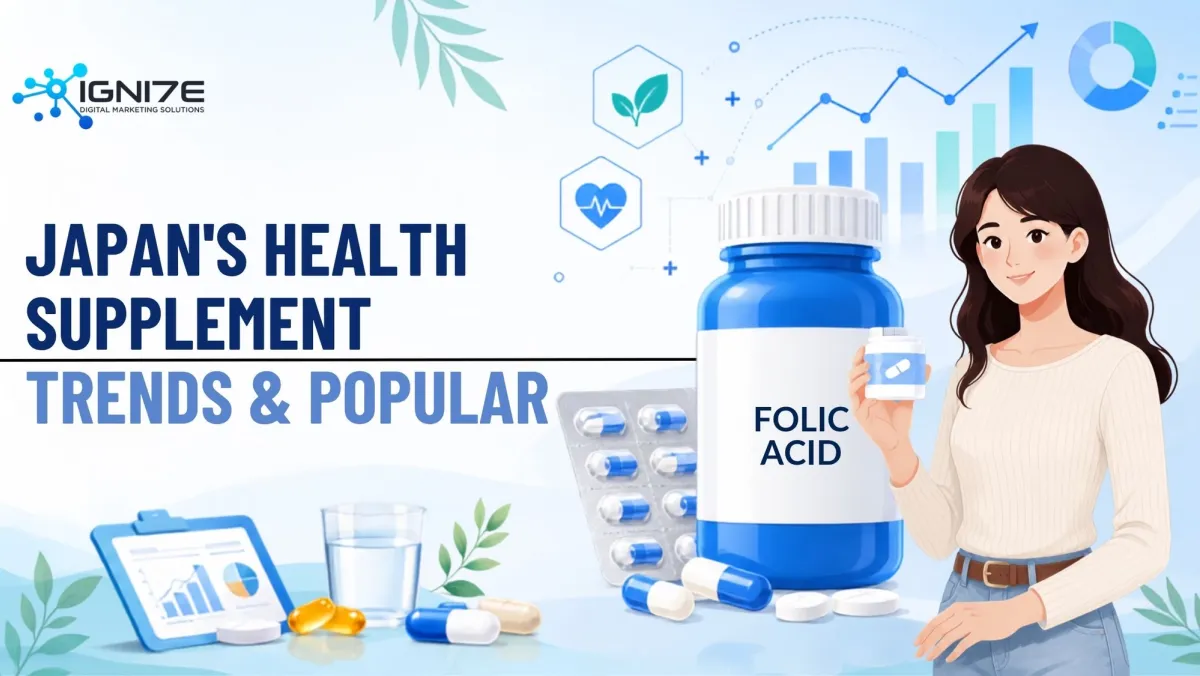
Japan’s supplement market has grown into one of the largest in the world, driven by an aging population and increasing health awareness. In recent years, the market has expanded to include products that address a wide range of needs, including cognitive health, gut health, beauty, and sleep. The rise of e-commerce and cross-border sales has also strengthened the presence of international brands.
This article explores the factors behind the growth of Japan’s supplement market, its current size, popular product categories, sales channels, and trends among overseas brands.
How Japan’s Health Supplement Market Has Expanded
Japan’s supplement market has grown alongside the country’s aging population and rising health consciousness. The market began expanding during the health boom of the 1990s, followed by another major shift with the introduction of the Foods with Function Claims (FFC) system in the 2010s. More recently, growing interest in preventive healthcare, along with increasing demand for beauty and wellness products, has broadened the market to include categories such as cognitive health, sleep support, and gut health.
1990s–2000s: Health Trends and Mail-Order Sales Fueled Growth in Japan’s Supplement Market
From the 1990s through the 2000s, growing awareness of lifestyle-related diseases encouraged more people in Japan to adopt the idea of managing their health daily. As a result, health foods and supplements such as vitamins, minerals, green juice, royal jelly, and turmeric gained widespread popularity. Demand expanded particularly among middle-aged and older consumers seeking products to combat fatigue and maintain their health.
The period also coincided with the rapid growth of television shopping and catalog-based mail-order sales. Drugstores expanded their health food sections, making supplements more widely available to everyday consumers. By the late 2000s, the growth of e-commerce further accelerated the expansion of Japan’s supplement market.
2010s: The Foods with Function Claims System Reshaped Japan’s Supplement Market
The introduction of the Foods with Function Claims (FFC) system in 2015 marked a major turning point for Japan’s supplement market. The system allows manufacturers to make functional claims based on a certain level of scientific evidence, leading to more specific product messaging such as "helps reduce eye fatigue" and "improves sleep quality."
Prior to the FFC, Japan already had the Foods for Specified Health Uses (FOSHU) system. However, its strict approval process tended to favor larger companies due to the high barriers to certification. By comparison, the FFC system made market entry more accessible, encouraging many companies to enter the supplement industry. Around the same time, Japanese consumers also began placing even greater emphasis on product safety and scientific evidence.
2020s: An Aging Population and Preventive Health Awareness Continue to Drive the Market
Since the beginning of the 2020s, Japan’s supplement market has become increasingly diverse. Much of the growth has been driven by the country’s aging population and rising interest in preventive healthcare. Demand for supplements supporting cognitive health, joint care, and eye health has expanded, while growing awareness of healthy life expectancy continues to support the market.
At the same time, beauty and wellness trends have become an important growth driver among younger consumers. Inner beauty supplements featuring ingredients such as collagen, probiotics, and protein have become increasingly popular, while beauty supplements from South Korea have also attracted growing attention. Since the COVID-19 pandemic, interest in immune support, sleep improvement, and stress management has continued to rise, allowing Japan’s supplement market to expand across a broad range of age groups.
Current Size of Japan’s Health Supplement Market
Japan’s health supplement market remains one of the largest in the world and continues to grow. Along with an aging population and increasing health consciousness, expanding demand for products related to beauty, sleep, and gut health has made the market increasingly diverse. At the same time, heightened concerns about product safety have brought noticeable changes to the market environment.
Japan’s Supplement Market Remains Close to the ¥1 Trillion Mark
According to Yano Research Institute’s Health Food Market Survey (2025), Japan’s health food market—including supplements—is estimated to have reached ¥894.51 billion in fiscal 2024, keeping the market close to the ¥1 trillion level. Japan is regarded as one of the world’s largest supplement markets.
In recent years, demand has expanded across a wide range of functional categories, including cognitive health, sleep support, stress management, gut health, and beauty. While middle-aged and older consumers traditionally drove the market, beauty and wellness products targeting younger consumers and women have become increasingly important growth drivers.
The growth of e-commerce and subscription-based sales has also lowered barriers to entry for international brands, transforming Japan’s supplement market into a highly competitive landscape with both domestic and overseas companies.
The Red Yeast Rice Incident Temporarily Changed Japan’s Supplement Market
In 2024, reports of health problems linked to red yeast rice supplements received widespread media attention, affecting Japan’s supplement market. The incident significantly increased consumer awareness of supplement safety and quality control.
Some product categories experienced weaker demand and temporary market contraction. However, interest in maintaining good health and preventive care did not decline across the market as a whole. Instead, consumers became more focused on choosing trustworthy manufacturers, placing even greater importance on product safety and scientific evidence.
The incident also underscored an important characteristic of the Japanese market: purchasing decisions are influenced not only by price or trends but also by whether consumers feel they can use a product safely and with confidence over the long term.
Japan’s Supplement Market Continues to Grow Despite Being a Mature Market
Although Japan is a mature market with a declining population, its supplement market continues to expand, supported not only by increasing health needs associated with an aging population but also by a growing desire to extend healthy life expectancy.
More consumers are also using supplements for purposes beyond traditional nutritional support, including beauty, sleep improvement, stress management, and sports nutrition. Among younger consumers, incorporating supplements into daily routines as part of an inner beauty and wellness lifestyle has become increasingly common.
In addition, the continued growth of Japan’s e-commerce market and direct-to-consumer (D2C) brands has created more opportunities for international companies to enter the market. At the same time, expectations for product safety and quality remain exceptionally high, making Japan a market known for both its growth potential and its rigorous quality standards.
What Is Driving Greater Health Awareness in Japan?
The expansion of Japan’s supplement market is being driven not only by an aging population but also by growing interest in preventive healthcare, beauty, and wellness. Rather than waiting until they become ill, more consumers are adopting the mindset of maintaining their health daily, making supplements an increasingly common part of everyday life.
An Aging Population
According to Japan’s Annual Report on the Aging Society, Japan is one of the world’s most rapidly aging countries, and this demographic trend continues to support the expansion of its supplement market. As the elderly population grows, more consumers are looking to extend their healthy life expectancy, increasing demand for supplements that support cognitive health, joint health, bone health, and eye care.
In recent years, many older adults have become increasingly interested in maintaining an independent lifestyle for as long as possible, leading to greater use of supplements as a preventive measure. Rather than relying solely on medical care or long-term care services, Japanese consumers are placing greater emphasis on everyday self-care, making it one of the market’s key growth drivers.
With Japan’s population expected to continue aging, senior-focused supplement categories are likely to remain one of the market’s most important segments.
A Growing Interest in Preventive Healthcare
Interest in preventive healthcare—the idea of maintaining good health before illness develops—has continued to grow in Japan. Concerns about lifestyle-related diseases and age-related health issues have encouraged more people to manage their nutrition and overall health daily, with supplements becoming one of the tools they rely on.
Since the COVID-19 pandemic, interest in immune support, sleep improvement, and stress management has increased significantly. Demand has also grown for products containing ingredients such as vitamins, probiotics, and GABA, and incorporating supplements into daily health routines has become increasingly common.
Another distinctive feature of Japan is its well-established culture of regular health checkups. Because many people routinely monitor their health, supplements are often used to help maintain overall wellness and address potential future health risks, contributing to continued market growth.
An Increasing Beauty and Wellness Demand
Beauty and wellness have become increasingly important segments of Japan’s supplement market in recent years. Beyond traditional health maintenance, the concept of inner beauty—enhancing beauty from within—has gained widespread popularity, driving demand for beauty supplements, particularly among younger consumers and women.
Products containing collagen, hyaluronic acid, iron, probiotics, and protein are especially popular. Beauty supplements from South Korea, along with products that gain popularity through social media, have also attracted strong consumer interest, reflecting the growing influence of overseas beauty trends in Japan.
At the same time, consumers are placing greater emphasis on sleep, stress management, and mental wellness. Rather than using supplements solely to fill nutritional gaps, more people are taking them to support their overall physical and mental well-being, which has become another defining characteristic of Japan’s supplement market.
A Growing Demand for Natural and Plant-Based Supplements
Japanese consumers have long held a cultural preference for natural, plant-derived remedies, and that preference is now translating into strong demand within the modern supplement market. Plant-based supplements currently hold the largest share of Japan's dietary supplement market (when compared by source), accounting for roughly 39% of sales in 2025, a figure that reflects the country's traditional affinity for botanical ingredients. Familiar ingredients such as ginseng, turmeric, green tea extract, and barley grass remain especially popular, alongside native ingredients like shiitake mushrooms, which benefit from centuries of cultural acceptance and perceived health value.
The demand for plant-based supplements extends to how products are perceived and marketed. Japanese shoppers increasingly favor plant-based, non-GMO, and additive-free formulations, and they tend to prioritize quality and efficacy, gravitating toward scientifically validated products from brands that are transparent about sourcing and offer third-party verification. The combination of "natural" positioning and hard scientific backing is somewhat distinct from Western wellness trends, where natural claims alone often carry more weight.
Personalized Nutrition Is an Emerging Opportunity
Japan's tech-savvy, data-oriented consumer base is fueling a growing appetite for supplements built around individual biology rather than one-size-fits-all formulas. Companies are increasingly offering at-home gut microbiome test kits that let consumers receive customized supplement recommendations based on their own biology, a trend well-suited to Japan's tech-savvy population and its preference for data-driven health solutions.
Japanese food and nutrition companies are already commercializing the shift. Calbee, one of the country's best-known snack and nutrition brands, offers a service called Body Granola that pairs a gut microbiome test with a personalized granola subscription, analyzing a user's microbiome type and bacterial diversity to recommend specific prebiotics suited to their individual gut profile. According to the company, uptake of the service has been rising in Japan as consumers look for scientifically tailored nutrition that fits their individual gut health needs while remaining easy to build into daily routines. Calbee has since begun exporting the concept abroad, describing Japan as the starting point for bringing personalized nutrition services to customers beyond its home market.
It’s not an isolated experiment: domestic firms such as Metagen have partnered with other health companies to jointly develop microbiome diagnostic tools and personalized nutrition algorithms built on large-scale gut microbiota datasets, and the broader diagnostics infrastructure supporting these services is expanding quickly in Japan alongside similar growth across the region.
Some caution is warranted, though. A 2025 international consensus published in the Lancet Gastroenterology & Hepatology concluded there is “insufficient evidence to widely recommend routine microbiome testing in clinical practice,” even as commercial adoption accelerates. For brands operating in Japan's tightly regulated market, the gap between consumer enthusiasm and clinical consensus is worth watching, particularly given how seriously Japanese regulators and consumers alike treat scientific substantiation.
The Expansion of E-Commerce and D2C Has Made Supplements More Accessible in Japan
The growth of e-commerce has become another major factor supporting the expansion of Japan’s supplement market. While drugstores and traditional mail-order sales once dominated the market, consumers can now easily purchase a wide variety of supplements through Amazon, Rakuten, and companies’ own e-commerce websites.
One of the most notable recent trends has been the expansion of direct-to-consumer (D2C) brands. By selling products directly through their own websites, companies have introduced new sales models, including subscription services and personalized product recommendations.
The growth of e-commerce has also made it easier for international brands to enter the Japanese market. More consumers are purchasing supplements through cross-border e-commerce platforms such as iHerb, making competition between domestic and overseas brands increasingly active in Japan’s supplement market.
Five Popular Categories in Japan’s Health Supplement Market
Japan’s supplement market has expanded well beyond general health maintenance, with growing demand for products that support beauty, sleep, cognitive health, and other specific wellness needs. In recent years, an aging population and increasing interest in wellness have fueled demand for supplements with targeted functional benefits. Below are five of the most popular supplement categories in Japan.
1. Eye Care Supplements for Vision Health
Eye care supplements are one of the fastest-growing categories in Japan’s supplement market. In addition to the country's aging population, the increasing amount of time people spend using smartphones and computers has heightened awareness of eye fatigue and vision health.
According to a report by Panorama Data Insights, Japan’s eye health supplement market is projected to grow from US$139.1 million in 2025 to US$246.3 million by 2034, representing a compound annual growth rate (CAGR) of 6.56%.
Popular ingredients include lutein, blueberry, astaxanthin, and omega-3 fatty acids. In recent years, the number of Foods with Function Claims (FFC) products featuring claims such as "helps reduce blurred vision" and "supports relief from eye fatigue" has increased, making eye care supplements an increasingly common part of everyday self-care.
Another notable characteristic of the Japanese market is that demand for eye care supplements extends beyond older adults to younger consumers who spend long hours using digital devices.
2. Digestive and Gut Health Supplements Driven by the Gut Health Trend
The concept of gut health (cho-katsu) has become widely established in Japan, driving continued growth in the digestive and gut health supplement market. Japanese consumers have long been familiar with fermented foods such as yogurt, natto, and miso, resulting in particularly strong interest in probiotics, including lactic acid bacteria and bifidobacteria.
In recent years, increasing attention has been given to the connection between gut health and immunity, sleep, and mental health, fueling demand for probiotic supplements. Beyond supporting digestion and regular bowel movements, the idea of improving beauty through gut health has also gained popularity.
Japanese consumers also value convenience and ease of long-term use, leading to the introduction of products in a variety of formats, including powders and jelly supplements.
3. Brain and Cognitive Health Supplements Gaining Attention in an Aging Society
As Japan’s population continues to age, interest in brain and cognitive health supplements has grown significantly. With increasing awareness of the importance of extending healthy life expectancy, more consumers are incorporating cognitive support supplements into their daily self-care routines.
Popular ingredients include DHA, EPA, and ginkgo biloba extract. Products promoting benefits such as "supports memory" and "supports cognitive function" have become increasingly common. The expansion of the Foods with Function Claims (FFC) system, which allows products to highlight scientifically supported functional benefits, has also contributed to market growth.
Another distinguishing feature of the Japanese market is that cognitive health supplements are no longer viewed solely as products for older adults. Increasingly, they are seen as a proactive way to prepare for the future, making it a category expected to continue growing alongside Japan’s aging population.
4. Hair and Beauty Supplements Supported by Growing Demand for Inner Beauty
Japan’s beauty supplement market continues to grow, particularly among younger consumers and women. In recent years, the focus has shifted beyond external skincare to the concept of inner beauty—enhancing beauty from within—which has increased interest in supplements that support healthy hair and skin.
Popular ingredients include collagen, hyaluronic acid, biotin, iron, and protein. Products formulated to support hair volume and strength, as well as supplements that combine beauty benefits with nutritional support, have become especially popular.
Another notable trend is the growing presence of beauty supplements from South Korea, along with products that gain popularity through social media. As a result, the beauty supplement market continues to expand alongside both the health and beauty industries.
5. Relaxation Supplements for Sleep and Stress Support
The market for relaxation supplements designed to support sleep and reduce stress has also grown significantly in Japan. Against the backdrop of long working hours and an increasingly stressful society, demand has risen for products that help consumers maintain both their physical and mental well-being.
Popular ingredients include GABA, theanine, and glycine. The number of Foods with Function Claims (FFC) products promoting benefits such as "improves sleep quality" and "helps reduce stress" has also increased. Since the COVID-19 pandemic, growing interest in mental wellness has provided additional momentum for stress support.
Another characteristic of the Japanese market is its emphasis on products designed to promote relaxation. Convenient formats such as beverages and gummies have also become increasingly popular, making these products accessible to consumers across all age groups, from younger adults to older generations.
Which Sales Channels Are Strongest in Japan’s Health Supplement Market?
Japan’s supplement market continues to grow across multiple sales channels, including drugstores, e-commerce, and convenience stores. While brick-and-mortar retail and traditional mail-order sales once dominated the market, subscription services and cross-border e-commerce have expanded in recent years, giving consumers more options to choose where they shop based on their needs, budget, and preferred brands.
Drugstores Remain a Key Sales Channel in Japan’s Supplement Market
Drugstores are one of the most important sales channels for supplements in Japan. The country has a well-established drugstore culture where consumers can purchase pharmaceuticals, cosmetics, household goods, and health foods in one place, making supplements an easily accessible part of everyday shopping.
For middle-aged and older consumers, the ability to compare products in person and consult pharmacists or registered sales clerks provides added confidence. Drugstores carry a wide range of supplement categories, including vitamins, minerals, green juice, eye care, and joint support products, making them an effective channel for consumers seeking to maintain their health.
Drugstores also benefit from extensive store networks that reach not only major cities but also regional areas. For companies entering the Japanese market, securing shelf space in drugstores is an important way to build brand awareness and consumer trust.
E-Commerce and Subscription Services Continue to Expand
In recent years, e-commerce and subscription-based sales have grown rapidly in Japan’s supplement market. Through platforms such as Amazon, Rakuten, and companies’ own online stores, consumers can easily compare and purchase a wide variety of domestic and international supplements.
Because supplements are typically intended for long-term use, they are particularly well-suited to subscription models. Automatic monthly delivery services help consumers avoid running out of products while also enabling brands to build ongoing relationships with their customers.
Japanese consumers also appreciate being able to review customer feedback, ratings, and ingredient information before making a purchase, making e-commerce a natural fit for the Japanese market. The growing number of direct-to-consumer (D2C) brands has further strengthened e-commerce as one of the industry's primary growth channels.
Convenience Stores and Grocery Retailers Also Play a Growing Role
Convenience stores and grocery retailers are becoming increasingly important sales channels in Japan’s supplement market. In addition to traditional tablets and capsules, more products are now available in food-like formats such as beverages, jellies, gummies, and nutrition bars.
Convenience stores serve as everyday shopping destinations for busy professionals and younger consumers, making them a convenient place to purchase health-related products. Vitamin drinks, protein bars, probiotic beverages, and sleep support products have become widely accepted as products that bridge the gap between supplements and everyday foods.
Grocery retailers are also offering more products with supplement-like health benefits as part of their health food selections. One distinctive characteristic of the Japanese market is that supplements are increasingly becoming part of everyday eating habits rather than being viewed as specialty products.
Can International Brands Succeed in Japan’s Health Supplement Market?
International brands are becoming increasingly visible in Japan’s supplement market. Through cross-border e-commerce platforms such as iHerb and the influence of South Korean beauty trends, overseas supplements have gained broader recognition among Japanese consumers. However, succeeding in Japan requires more than popularity abroad—it also depends on localization and building consumer trust, as Japanese consumers place a strong emphasis on product safety and scientific evidence.
Cross-Border E-Commerce Platforms Such as iHerb Are Expanding the Reach of International Supplements
Cross-border e-commerce platforms such as iHerb have become one of the primary ways Japanese consumers purchase international supplements. Japanese-language support, payments in Japanese yen, and improved shipping services have made overseas products much easier to purchase than in the past.
American-made supplements are especially popular among health-conscious consumers because of their higher ingredient dosages and broad product selection. Many consumers choose overseas brands for products such as vitamins, minerals, probiotics, omega-3 supplements, and magnesium, where domestic options may be more limited.
The growing influence of social media and review websites has also made information about international products more accessible, encouraging greater use of cross-border e-commerce. As a result, overseas supplements are gradually evolving from niche products into a more mainstream option in Japan.
Beauty Supplements from South Korea and the US Are Strengthening Their Presence
Beauty supplements from South Korea and the United States are becoming increasingly prominent in Japan’s supplement market. South Korean inner beauty products have attracted considerable attention, particularly among younger consumers, as part of broader beauty trends linked to skincare and cosmetics.
South Korean brands are known for attractive packaging and effective social media marketing, with products containing collagen, vitamins, probiotics, and glutathione gaining popularity. Meanwhile, American supplements have established a strong presence in nutrition and wellness categories such as protein, multivitamins, and omega-3 supplements.
International brands are gaining acceptance across Japan’s beauty, health management, and wellness markets. For younger consumers and beauty-conscious shoppers, overseas supplements are becoming an increasingly popular choice.
Scientific Evidence and Product Safety Are Essential in Japan
For international brands to expand successfully in Japan’s supplement market, demonstrating scientific evidence and product safety is essential. Japanese consumers evaluate not only a product’s ingredients and claimed benefits but also its quality control, manufacturing standards, and the credibility of the company behind it.
The widespread adoption of the Foods with Function Claims (FFC) system has made consumers more likely to consider the scientific basis behind functional claims when making purchasing decisions. In addition, the red yeast rice incident further heightened awareness of the safety of health foods and supplements.
As a result, simply being popular overseas is not enough to succeed in Japan. Clearly communicating ingredient information, recommended intake, precautions, country of manufacture, and quality control practices is essential for earning consumer trust.
Common Challenges International Companies Face in Japan’s Supplement Market
International companies entering Japan’s supplement market face several challenges. One of the most important is complying with regulations under Japan’s Pharmaceutical and Medical Device Act (PMD Act) and food labeling requirements. Even for supplements, claims resembling those made for pharmaceuticals are restricted, meaning companies must exercise caution when developing advertising and packaging.
Providing clear, easy-to-understand information in Japanese is also essential. In addition to explaining ingredients and functional benefits, companies need to communicate who the product is intended for and how it should be incorporated into daily life. Marketing messages that work overseas may not necessarily resonate with Japanese consumers.
Japanese consumers also carefully evaluate product safety, customer reviews, and brand credibility before making purchasing decisions. Competitive pricing and popularity alone are not enough—demonstrating consistent quality and providing confidence for long-term use are critical to succeeding in the Japanese market.
Conclusion: Japan’s Health Supplement Market Continues to Expand
Japan’s supplement market continues to expand, supported by an aging population, growing interest in preventive healthcare, and increasing demand for beauty and wellness products. Categories such as cognitive health, eye care, gut health, and sleep support are expected to see continued growth.
The expansion of e-commerce and cross-border e-commerce has also made it easier for international brands to enter the market. However, safety, scientific evidence, and consumer trust remain key purchasing factors in Japan. Although it is a mature market, Japan continues to generate new health-related needs, making it one of the world's most attractive and closely watched supplement markets.
Frequently Asked Questions

Japan’s supplement market is currently estimated to be worth approximately ¥1 trillion. Although market definitions and calculation methods vary among research firms, Japan is widely recognized as one of the world’s largest supplement markets. In recent years, demand has expanded across a broad range of categories—including beauty, sleep, gut health, and cognitive health—driven by an aging population and growing health awareness. The growth of e-commerce and subscription services has also transformed the market into one where both domestic and international brands compete.
Eye care, gut health, cognitive health, beauty, and sleep and stress support are among the most popular supplement categories in Japan. As the population ages, demand for products that support cognitive function, joint health, and eye health continues to grow. At the same time, beauty and inner care supplements containing ingredients such as collagen and probiotics have become increasingly popular among younger consumers and women. Interest in sleep support and mental wellness has also increased since the COVID-19 pandemic, contributing to greater market diversification.
The growth of Japan’s cognitive health supplement market is closely tied to the country’s aging population. Many consumers want to extend their healthy life expectancy and use supplements as a way to prepare for future cognitive decline. Products containing DHA, EPA, and ginkgo biloba extract are especially popular, while supplements promoting benefits such as "supports memory" and "supports cognitive function" have become increasingly common. The expansion of the Foods with Function Claims (FFC) system has also contributed to market growth by increasing the availability of products supported by scientific evidence.
Yes. International brands have become increasingly popular in Japan. More consumers are purchasing American-made supplements through cross-border e-commerce platforms such as iHerb, particularly products such as vitamins, probiotics, and omega-3 supplements. Beauty supplements from South Korea have also gained significant popularity, especially among younger consumers. The spread of product information through social media and online reviews has further supported the growth of international brands in Japan.
Drugstores, e-commerce, and convenience stores are the primary sales channels in Japan’s supplement market. Drugstores have extensive nationwide retail networks, making health foods and supplements easily accessible. Meanwhile, online sales through platforms such as Amazon, Rakuten, and companies’ own websites have grown rapidly in recent years. Subscription services have also become increasingly popular, strengthening the presence of direct-to-consumer (D2C) brands. Convenience stores have also seen growing demand for products such as supplement drinks and gummy supplements.
One of the biggest challenges for international companies entering Japan’s supplement market is complying with regulations under Japan’s Pharmaceutical and Medical Device Act (PMD Act) and food labeling requirements. Even supplements are prohibited from making pharmaceutical-like efficacy claims, so advertising and packaging must be carefully designed. Japanese consumers also place a strong emphasis on product safety, scientific evidence, and quality control. As a result, providing clear information in Japanese and giving consumers confidence in long-term product use are essential for building trust and succeeding in the market.
Project manager leading Japanese content initiatives across SEO, social media, and creative production. Leads teams and collaborates with clients to deliver content projects.