Japan’s Solo Consumer Trends: The Rise of the “Ohitorisama” Market and the Latest 2026 Insights

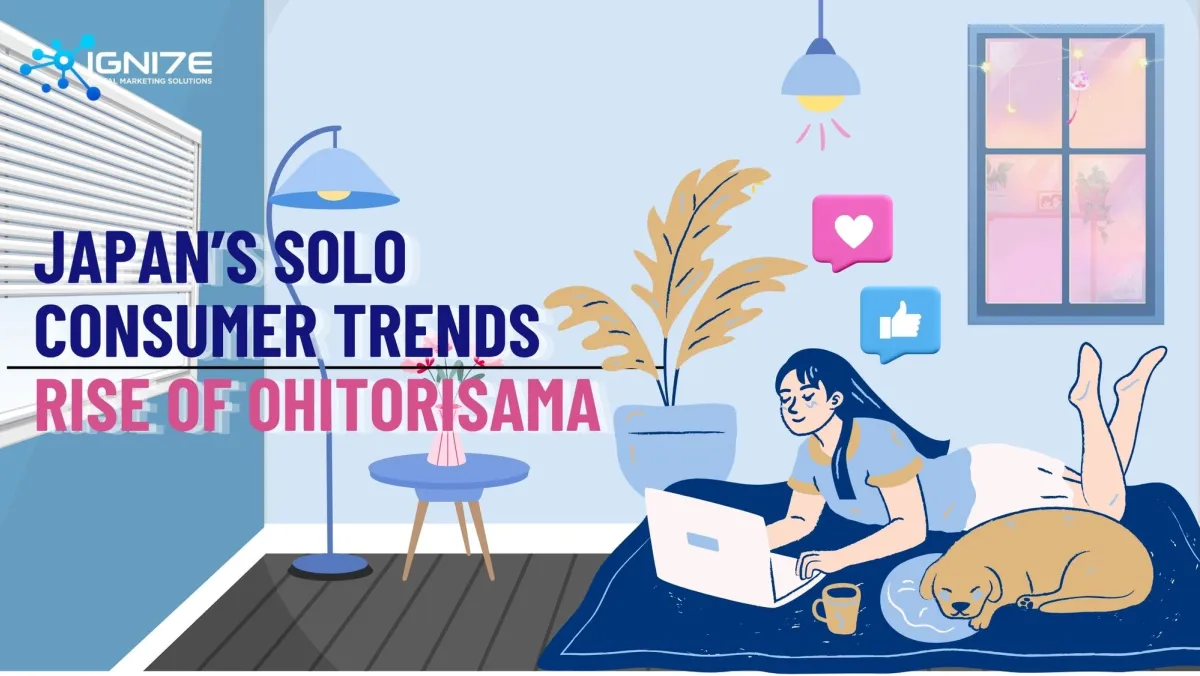
In recent years, solo consumers have become an increasingly important force in the Japanese market. As lifestyles and social values continue to diversify, the number of single-person households in Japan has steadily increased, creating new business opportunities across multiple industries.
This article explores the latest trends surrounding Japan’s solo consumers, including the growth of the “ohitorisama” market, changing consumer behaviors, and the evolution of solo activities (“solo-katsu”). It also examines how consumer habits shifted after the COVID-19 pandemic and highlights key insights for overseas businesses looking to enter the Japanese market.
For companies considering products, services, or marketing strategies targeting single consumers, this guide offers practical insights into one of Japan’s fastest-growing consumer segments.
What Are Japan’s Solo Consumer Trends? Understanding “Ohitorisama” and Solo Activities
Over the past few decades, the number of single-person households in Japan has increased rapidly. In the past, consumption was largely centered around family life, but today, more people actively value spending time alone. As the concept of solo consumption has become socially accepted, activities such as dining alone, traveling alone, and spending on personal hobbies are no longer seen as unusual lifestyles.
What Are “Ohitorisama Consumption” and “Solo Activities”? Meaning and Differences
Two important keywords often used when discussing Japan’s solo consumer market are “ohitorisama consumption” and “solo-katsu” (solo activities). While they are related, there are subtle differences between the two concepts.
The term “ohitorisama” originally became popular around 2004 and referred to independent, unmarried women living alone. Over time, however, the word evolved into a broader expression describing people of any gender who enjoy dining, shopping, or participating in leisure activities alone. As a result, “ohitorisama consumption” generally refers to individual consumer behavior, such as solo dining, solo shopping, or using services alone.
Meanwhile, solo-katsu literally means “solo activities” and emphasizes actively enjoying time alone. It includes not only consumption but also experiences such as traveling alone, going to the movies, camping, attending classes, or pursuing self-improvement hobbies.
In short, “ohitorisama consumption” mainly describes individual purchasing behavior, while “solo-katsu” reflects a broader lifestyle choice centered around independently enjoying one’s personal time.
Growth of Single-Person Households and Expansion of Solo Consumption
According to Japan’s Ministry of Health, Labor and Welfare, the share of single-person households has continued to rise across all age groups since the 1980s. As of 2024, Japan had approximately 18.99 million single-person households, representing 34.6% of all households; the highest level on record. At the same time, Japan’s lifetime unmarried rate has also continued to climb, reaching around 28.5% for men and 20.8% for women in 2025.
These structural demographic changes have significantly expanded Japan’s solo consumer market. Industries such as restaurants and travel, which once primarily targeted families or groups, have increasingly introduced services designed specifically for solo customers.
The expansion of solo-oriented products and services clearly shows that single consumers are no longer a niche demographic. They are now among the major drivers of consumption in the Japanese economy.
Why Solo Consumption and Solo Activities Are Gaining Attention
The growing popularity of solo consumption and solo activities is not simply the result of more people remaining unmarried. More fundamentally, it reflects changing attitudes toward personal time and independence.
The normalization of solo lifestyles has been heavily influenced by social media. Posting solo travel experiences, solo dining photos, or independent hobbies online has become increasingly normalized. In many cases, enjoying activities alone is now viewed as a stylish, flexible, and self-confident lifestyle choice.
The COVID-19 pandemic also accelerated the growth of solo consumption and solo activities. During and after the pandemic, many people became more conscious about avoiding crowds and valuing private personal time. As a result, solo activities expanded beyond unmarried individuals and became more widely accepted among married people and families as well.
Today, solo activities in Japan are increasingly seen not as a necessity, but as an intentional lifestyle choice embraced by consumers across different generations.
Market Size and Growth Potential of Japan’s Solo Consumer Economy
As mentioned earlier, Japan’s solo consumer market, often referred to as the “ohitorisama market,” has attracted significant attention due to both its size and long-term growth potential. This section explores the overall scale of the market and the factors driving its expansion.
What Is the “Solo Economy”? An Overview of Japan’s Expanding Single-Consumer Market
The “solo economy” refers to the economic sphere created by demand from single consumers and people who prefer individual lifestyles and activities. The solo economy includes a wide range of sectors such as dining, ready-made meals, travel, entertainment, beauty, fitness, housing, and financial services.
One major characteristic of the solo market is its emphasis on quality over quantity. Rather than purchasing large, low-cost products designed for families, solo consumers often prefer premium products or high-quality services tailored for individuals.
This trend is already visible throughout Japan’s retail sector. Convenience stores and supermarkets increasingly offer smaller portion sizes and single-serving meal options designed specifically for individual consumers. In the housing market, demand for compact apartments such as 1K and 1LDK units also remains strong.
As a result, the solo economy now influences nearly every aspect of daily life in Japan.
Market Size and Growth of the “Ohitorisama” Economy
According to Yano Research Institute’s “Ohitorisama-Related Market Survey (2020),” Japan’s solo dining market grew from approximately ¥6.89 trillion in fiscal 2015 to ¥7.91 trillion in fiscal 2019. In addition, the solo ready-made meal market reached approximately ¥7.4 trillion in fiscal 2018.
Combined, food-related solo consumption alone exceeded ¥15 trillion, highlighting the enormous scale of the market.
The same survey also projected growth across 12 of the 15 sectors studied, demonstrating the broad expansion of solo-oriented consumption. One particularly notable example was the karaoke industry, which recorded year-on-year growth of 21.6% in 2018.
This suggests that even industries once considered difficult for solo consumers can successfully attract demand by redesigning services, facilities, and customer experiences to accommodate individual users better.
Key Industries Driving the Growth of Solo Consumption
Several sectors are currently leading the expansion of Japan’s solo activity market. These include dining, travel, entertainment (such as movies, concerts, and karaoke), fitness and wellness, and self-improvement or educational services.
These industries benefit from a strong motivation shared by many solo consumers: the desire to spend time and money on themselves.
As the solo mindset continues to spread, new services and products targeting solo lifestyles are expected to emerge, further accelerating the growth of Japan’s solo economy.
Characteristics of Solo Consumers in Japan
Japanese solo consumers often exhibit values and purchasing behaviors that differ significantly from those of family-oriented consumers. These tendencies are also deeply connected to broader aspects of Japanese consumer culture.
Strong Preference for Quality and Reliability
Japanese consumers are widely known for placing high importance on product quality and reliability. Low prices alone are often not enough to attract customers. Brand trustworthiness, product transparency, and manufacturing quality frequently influence purchasing decisions.
Within the context of solo consumption, this tendency becomes even more pronounced. Since solo consumers spend money primarily for their own satisfaction, many are less willing to compromise on quality. Unlike family purchases that may require balancing multiple opinions or budgets, solo consumers can focus entirely on their personal preferences.
As a result, spending tends to focus on highly curated products and premium services that closely align with individual tastes and lifestyles.
Higher Disposable Income and Greater Spending on Experiences
Compared with married households, single consumers often have higher disposable income because they typically incur fewer expenses related to children or mortgages.
This allows many solo consumers to spend more freely on hobbies, interests, and personal experiences.
In recent years, Japanese consumers, especially younger generations, have increasingly prioritized “experience consumption” over ownership of physical goods. Travel, live events, wellness activities, education, and entertainment have become particularly important spending categories for solo consumers.
This strong preference for experience-based consumption represents one of the most important trends within Japan’s solo market and creates substantial business opportunities across multiple industries.
For companies targeting Japanese consumers, it is no longer enough to sell products simply. Businesses must also consider the types of emotional or memorable experiences their products and services can provide.
How Japan’s Solo Consumer Trends Have Evolved Over Time
To fully understand today’s solo consumer market, it is useful to examine how these trends developed over time. Looking back at the social acceptance of “ohitorisama” lifestyles and the expansion of solo activities helps explain the current state of the market.
The 2010s: Solo Consumption Becomes Mainstream
During the 2010s, the concept of ohitorisama became widely accepted throughout Japanese society. Activities that once felt socially uncomfortable, such as dining alone, gradually became normalized.
This period saw the rapid rise of businesses specifically designed for solo customers. Examples included single-seat yakiniku restaurants, expanded counter seating in cafés and restaurants, and entertainment facilities that actively welcomed individual visitors.
Businesses increasingly began treating solo customers not as exceptions, but as a core customer segment.
Around 2020: The Pandemic Accelerates Solo Consumption
The COVID-19 pandemic dramatically accelerated the growth of solo consumption in Japan.
As people were encouraged to avoid crowds and limit social gatherings, spending time alone shifted from a personal preference to a safer, more practical choice.
Many consumers who had previously hesitated to engage in solo activities were effectively forced to experience them during this period. As a result, many discovered unexpected benefits, such as the comfort of moving at their own pace and the freedom of independent decision-making.
This significantly lowered the psychological barriers associated with solo activities.
At the same time, the rapid growth of delivery services and stay-at-home consumption further supported solo lifestyles. Remote work also created entirely new forms of solo consumption, such as working alone in cafés during weekdays or spending more personal time in local neighborhoods.
These changes diversified both the locations and styles of solo consumer behavior in Japan.
Recent Trends Among Single Consumers in Japan (2024–2025)
In recent years, single consumers in Japan have developed increasingly sophisticated and diversified consumption patterns that reflect broader social and economic changes. Between 2024 and 2025, three major trends have become especially noticeable.
Growing Preference for Selective Spending and Smart Budgeting
As inflation and rising living costs continue to affect Japan, consumers have become more budget-conscious overall. Single consumers are no exception. However, rather than simply cutting spending across the board, many are adopting a more balanced approach known in Japan as “meri-hari shohi,” or selective spending.
This means reducing expenses in everyday areas while willingly spending more on things they personally value. Rather than choosing the cheapest option or spending extravagantly, consumers are increasingly focused on finding what feels “worth it” for them individually.
While Japanese consumers have long been known for valuing cost-effectiveness, recent trends indicate a stronger focus on maximizing overall satisfaction rather than simply minimizing costs. In other words, consumers are becoming more intentional about where and why they spend money.
Expansion of Experience-Based Consumption and Self-Investment
At the same time, interest in owning material goods continues to decline, while spending on experiences, often referred to as “experience consumption” or “koto consumption,” continues to grow in Japan.
Single consumers are actively investing in areas that improve their quality of life, including education, wellness, hobbies, travel, and personal development. Self-investment is seen not only as preparation for the future but also as a way to improve personal fulfillment and achieve self-growth in the present.
According to research by Intage, single consumers in Japan spend roughly one-quarter of their income on highly personal, preference-driven purchases, highlighting their strong willingness to spend on items that align with their interests and lifestyle.
Time Efficiency (“Time Performance”) Becomes a Major Priority
The concept of time performance, often shortened to “taipa” in Japan, has become especially influential among younger generations. For busy consumers, efficiently using limited free time has become increasingly important.
As a result, products and services that save time are gaining popularity. Examples include frozen meals and meal kits that reduce cooking time, video summary services and accelerated video playback that help consumers absorb information more efficiently, and online shopping services that eliminate travel time.
In many ways, consumers are beginning to treat time itself as a valuable resource that can be “purchased” through convenience. This growing focus on efficiency creates major opportunities for businesses that can provide convenience, speed, and simplified user experiences.
The Latest Solo Activity and “Ohitorisama” Trends for 2026
Looking ahead to 2026, Japan’s solo activity and single-consumer market is expected to continue evolving, creating new forms of consumption and lifestyle trends.
The Rise of Personalized Consumption Through AI and Data
One of the most important trends shaping single-consumer behavior in 2026 is the expansion of AI-powered, data-driven personalized consumption.
In the near future, AI systems are expected to increasingly recommend products and services based on individual preferences, purchase histories, behavioral patterns, and even mood or lifestyle conditions at a given moment.
Subscription services and e-commerce platforms are already improving recommendation accuracy using customer data, making highly customized experiences more common. The ability to deliver personalized experiences is becoming a key competitive advantage for companies targeting individual consumers.
AI-powered wellness services are also becoming more popular. These services analyze factors such as diet, exercise, and sleep data to recommend personalized wellness plans, further increasing demand for products and services tailored specifically to the individual.
Growth of Well-Being and Self-Improvement Consumption
Interest in well-being, meaning both mental and physical fulfillment, is expected to grow even further toward 2026.
In today’s stressful environment, many single consumers place a strong emphasis on self-care and personal growth. As a result, spending related to wellness and self-improvement is expanding rapidly.
Examples include mindfulness apps, yoga and meditation studios, personal coaching services, and online learning platforms. These types of services resonate strongly with single consumers because they allow individuals to invest directly in themselves, without needing to prioritize family-related expenses or expectations.
This shift reflects a broader movement toward consumption based on internal satisfaction and personal fulfillment rather than traditional status or material ownership.
Expansion of Community-Based Solo Activities
Although solo activities are centered around individual experiences, many consumers still want opportunities to share those experiences with others who have similar interests.
As a result, “community-based solo consumption” is expected to become a major trend in 2026. This refers to activities where individuals participate alone but connect socially through shared interests.
Examples include wine bars designed for solo visitors, art appreciation events, book clubs, solo-friendly tours, and dining events that encourage participation without requiring groups.
One of the clearest examples of this trend is the rapid growth of “oshi-katsu” culture in Japan. “Oshi-katsu” refers to activities related to supporting a favorite idol, actor, anime character, or celebrity.
According to research by Video Research Ltd., 62.1% of Gen Z consumers in Japan participate in some form of oshi-katsu, and the trend has spread widely across older generations as well.
What makes oshi-katsu particularly important is that it combines both solo and community elements. Fans often enjoy content individually while also interacting with fellow fans online or at live events, creating a sense of belonging and shared enthusiasm.
This type of consumption reflects the increasingly complex needs of modern single consumers, who value both personal independence and meaningful social connection.
The Relationship Between Single Consumption and the “Singles Tax” Debate
In recent years, the term “singles tax” has frequently appeared in discussions on Japanese social media and online forums.
Because this debate may influence how single consumers think about spending and future financial planning, it is important to understand the topic accurately.
What Is the “Singles Tax”? Understanding the New System
First, it is important to clarify that there is no official tax called a “singles tax” in Japan.
The phrase is an informal nickname used online to refer to Japan’s Child and Childcare Support Fund system, introduced in April 2026 as part of the country’s measures to address its declining birthrate.
Under this system, additional payments are collected through public health insurance premiums to help fund child and family support policies.
Importantly, the system does not target only single people. All public health insurance subscribers, including employees, freelancers, and business owners, are required to contribute.
The average monthly burden is estimated to range from approximately ¥200 to ¥600 per person, depending on income level and insurance category.
Why Some Single Consumers Feel the System Is Unfair
The reason the policy became associated with the term “singles tax” stems mainly from three factors.
First, the payments are automatically deducted from salaries and insurance contributions, making the burden highly visible. Second, many single people feel they receive fewer direct benefits from child-related support policies. Third, social media discussions and news coverage have amplified the perception that unmarried individuals are being asked to shoulder an unfair burden.
This debate could potentially influence consumer behavior among single people in Japan. Concerns about future financial pressure may encourage stronger saving habits and more cautious spending among some consumers, making it an important social trend to monitor going forward.
Business Opportunities in Japan’s Single Consumer Market
Japan’s rapidly expanding single-consumer market presents significant opportunities not only for domestic companies, but also for international businesses considering entry into Japan.
Based on the trends discussed above, several important strategies stand out for companies targeting this growing market.
The Importance of Solo-Friendly Service Design
One of the most important requirements when targeting individual consumers is designing services that are easy and comfortable for individuals to use on their own.
This includes both physical and psychological accessibility.
From a physical perspective, businesses can introduce features such as counter seating in restaurants, additional single rooms in hotels, and smaller product packaging for food and daily necessities.
From a psychological perspective, companies should clearly communicate that solo customers are welcome. Websites and reservation systems should also make solo-use plans easy to find, while staff should be trained to interact naturally and comfortably with individual customers.
Advanced Personalization Through Data Utilization
One of the defining characteristics of single consumers is their strong attachment to personal preferences and individuality.
To respond effectively, companies need to provide highly personalized experiences tailored to each customer’s tastes, behaviors, and lifestyle.
This is where one-to-one marketing becomes especially valuable. By analyzing purchase history and behavioral data, businesses can recommend products and services that better match each customer’s specific needs.
Examples include AI-powered recommendation systems and subscription services customized around individual preferences. Advanced personalization not only improves customer satisfaction but also helps strengthen long-term loyalty and engagement.
Product Development Focused on Experience Value
As Japan continues shifting from material consumption to experience-based consumption, creating strong emotional and experiential value has become increasingly important.
Consumers are no longer looking only for products themselves; they also want meaningful experiences connected to those products.
For this reason, companies should consider offering interactive pop-up events, exclusive experiences linked to purchases, or access to communities and shared activities.
These types of experiences provide consumers with connection, discovery, and emotional fulfillment, making them particularly attractive to solo consumers seeking meaningful ways to spend their time and money.
Businesses that successfully support and enhance solo lifestyles are likely to build strong brand loyalty and long-term customer relationships.
Conclusion | Japan’s Solo Activity Market Continues to Expand as Single
Japan’s single-consumer market continues to grow alongside major social changes, particularly the steady increase in single-person households.
As this trend accelerates, single consumers are becoming one of the most influential groups in Japan’s economy. They prioritize quality, actively invest in self-improvement and experiences, and make highly intentional purchasing decisions based on their personal values and lifestyles.
For businesses entering the Japanese market, this creates substantial opportunities.
However, success requires more than simply adapting existing products. Companies must design services that are comfortable for solo users, utilize data-driven personalization, and deliver meaningful experiences that resonate emotionally with consumers.
As consumer values continue evolving, businesses that understand and respond to Japan’s growing solo lifestyle culture will be well positioned to succeed in one of the country’s most dynamic and promising markets.
Frequently Asked Questions

“Ohitorisama consumption” refers to consumption activities where individuals purchase products or use services alone, regardless of gender. “Solo activities,” or solo-katsu, refers more broadly to actively enjoying time alone through activities such as traveling, watching movies, camping, or dining alone.
There are three major reasons. First, the number of single-person households continues to increase due to later marriage and rising rates of unmarried individuals. Second, social media has normalized and popularized solo lifestyles. Third, the COVID-19 pandemic encouraged people to become more comfortable spending time alone. In addition, many businesses in Japan have adapted their services to accommodate solo customers better.
According to Yano Research Institute, Japan’s solo dining market reached approximately ¥7.9 trillion in 2019, while the solo takeout and prepared-food market reached approximately ¥7.4 trillion in 2018. Combined, food-related solo consumption alone exceeds ¥15 trillion.
Japanese single consumers tend to prioritize quality, reliability, and personal satisfaction over quantity. They also generally have relatively high disposable income and are more willing to spend money on experiences such as travel, hobbies, education, and wellness rather than material possessions.
The pandemic significantly accelerated solo consumption trends. As group activities became restricted, more people experienced solo activities for the first time and discovered the comfort and convenience of spending time alone. This greatly reduced the psychological barriers surrounding solo consumption.
Recent trends include selective spending and smart budgeting, increased investment in self-improvement and wellness, and growing demand for time-saving products and services that improve efficiency and convenience.
There is no official “singles tax” in Japan. The term is used informally to refer to the Child and Childcare Support Fund system introduced in April 2026. The system is funded through public health insurance contributions and applies to all insured individuals, not only single people.
EN-JA bilingual project manager with experience leading Japanese translation and localization projects. Oversees SEO-focused content quality, production, and coordination.