Top 10 Everyday Items Japanese People Always Keep in Their Bags

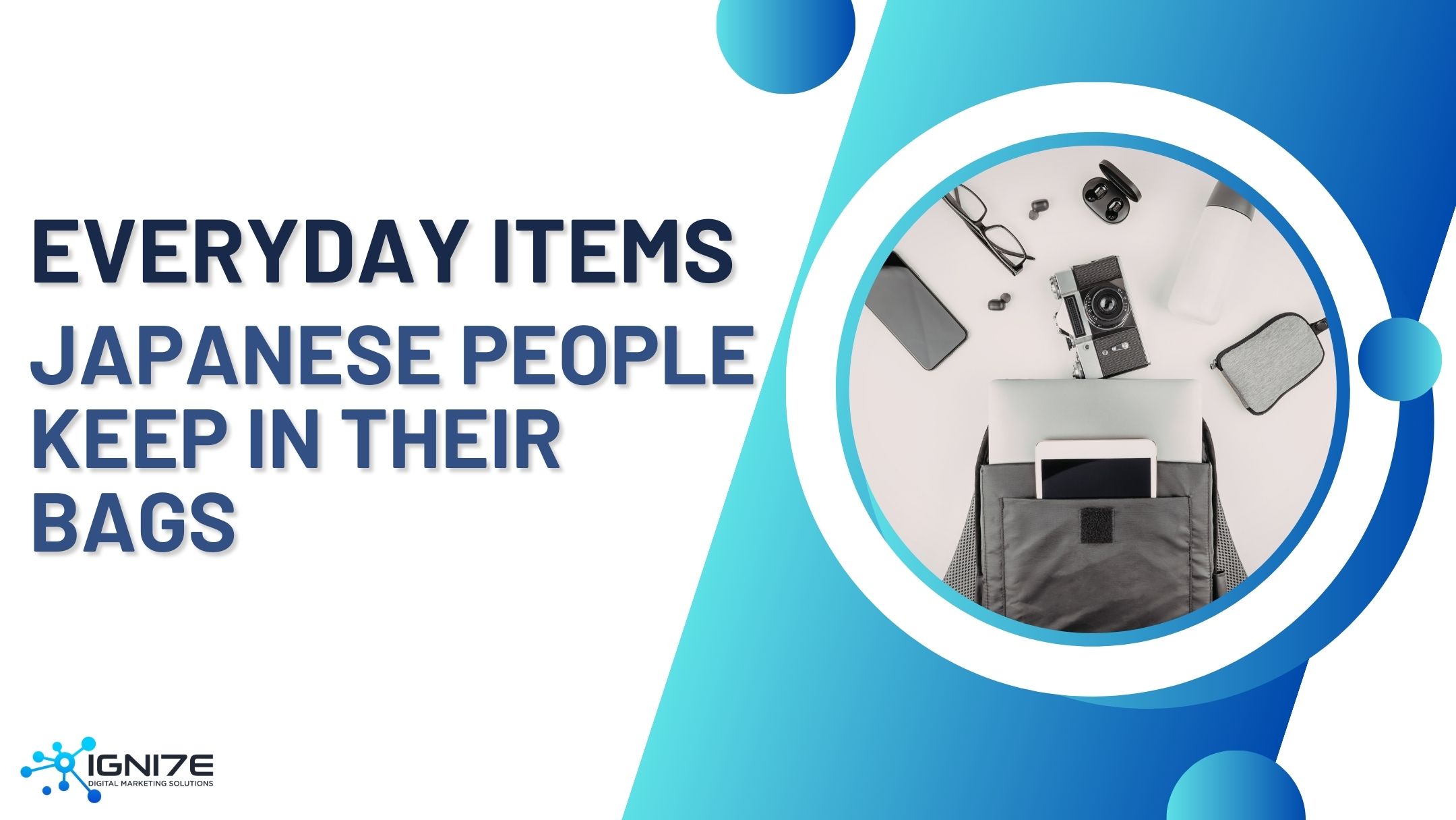
A strong emphasis on preparedness, hygiene, and convenience shapes Japanese daily carry habits. With long commutes, frequent walking, compact living spaces, and public facilities that do not always prioritize convenience items such as soap or paper towels, people tend to carry what they need rather than rely on what may or may not be available.
Unlike the minimalist “phone and wallet only” approach seen in some Western markets, bags in Japan often contain a carefully curated set of practical essentials. These everyday items reflect cultural values such as self-sufficiency, consideration for others, and readiness for minor inconveniences throughout the day.
Ranking of Everyday Items in Japanese People’s Bags
- Handkerchief or Mini Towel
- Face Masks
- Hand Sanitizer or Wet Wipes
- Reusable Shopping Bag
- Coin Purse
- Smartphone and Transit Cards
- Power Bank and Charging Cable
- Folding Umbrella
- Small Personal Care Items
- Cultural or Personal Tokens
1. Handkerchief or Mini Towel
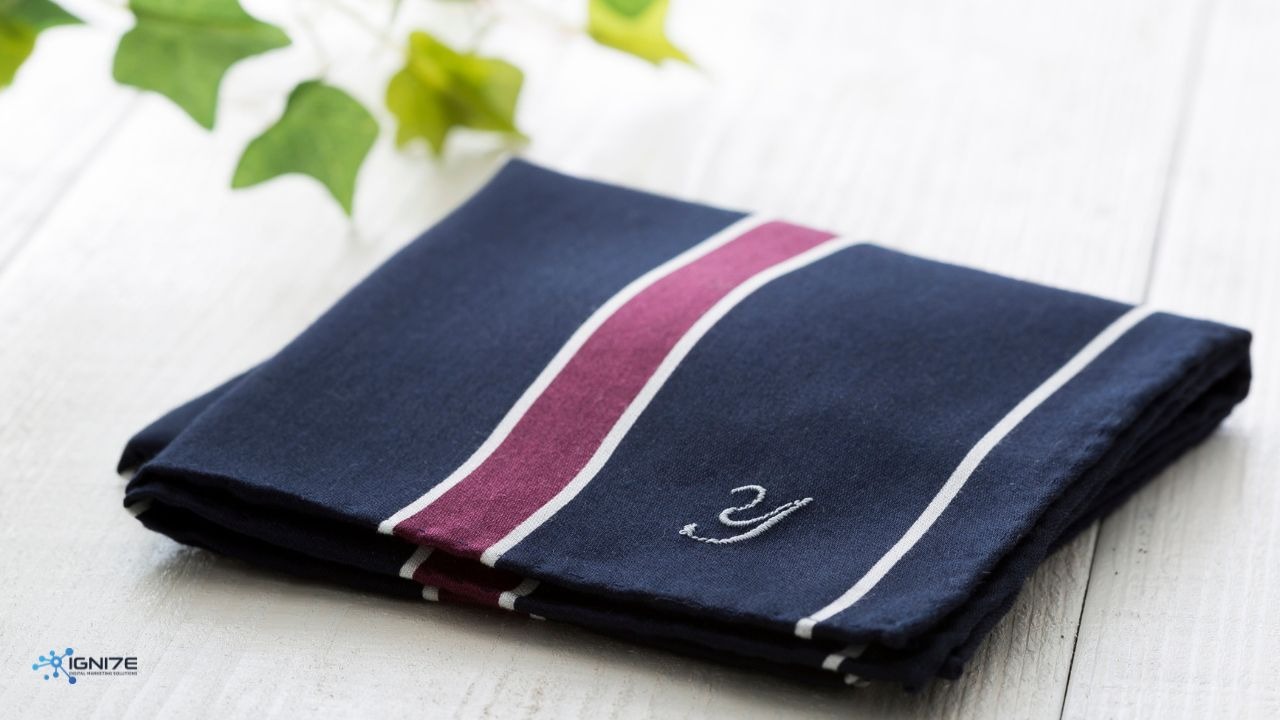
A small towel is one of the most common items found in Japanese bags. Since many public restrooms lack hand dryers or paper towels, carrying a personal towel is considered normal. These towels are lightweight, easy to wash, and widely available in compact sizes explicitly designed for daily carry.
2. Face Masks

Although no longer mandatory, face masks remain a standard item in bags. They are used for health reasons, during allergy season, or as a courtesy when feeling unwell. Many people keep spare masks folded neatly in their bags in case the need arises during the day.
3. Hand Sanitizer or Wet Wipes

Portable hygiene products are widely carried, notably for eating on the go or after touching shared surfaces. Small bottles of sanitizer or individually wrapped wipes are popular because they take up little space and address situations where soap is unavailable.
4. Reusable Shopping Bag
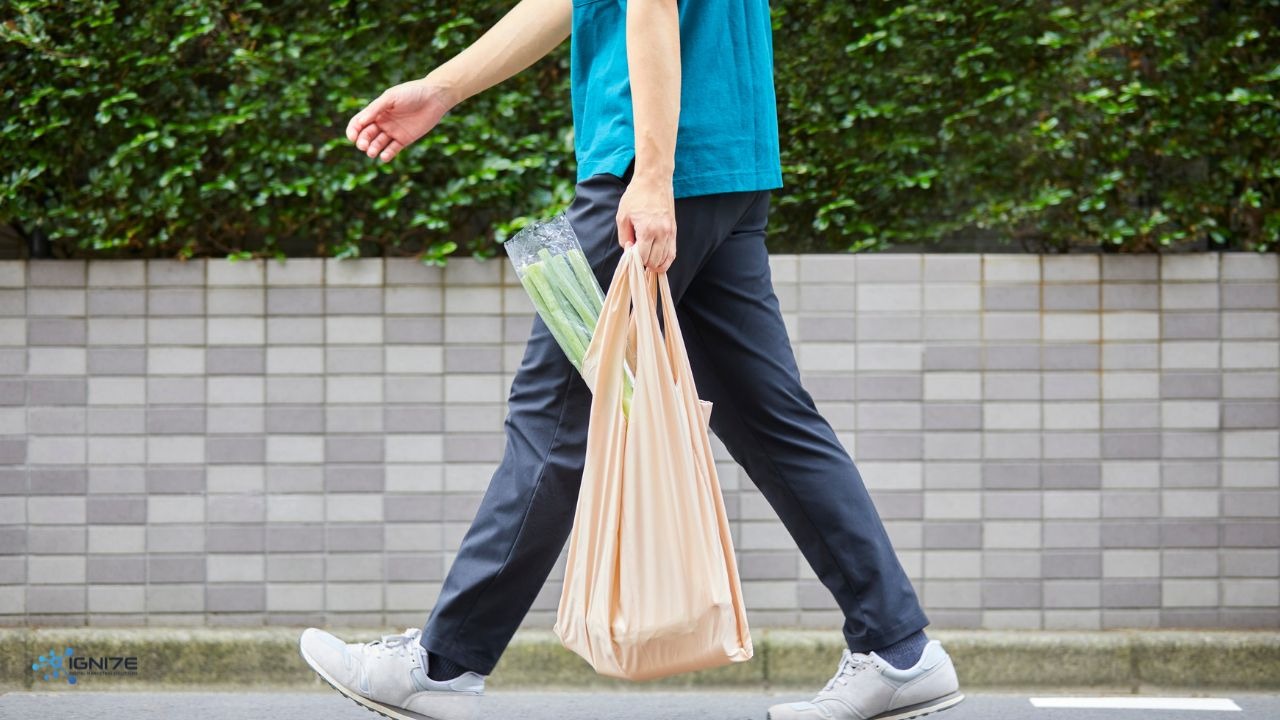
Since plastic bags typically cost extra at stores, reusable bags have become a daily necessity rather than an eco-conscious option. Many people carry thin, foldable shopping bags that fit easily into handbags or backpacks and can be used for both planned and spontaneous purchases.
5. Coin Purse
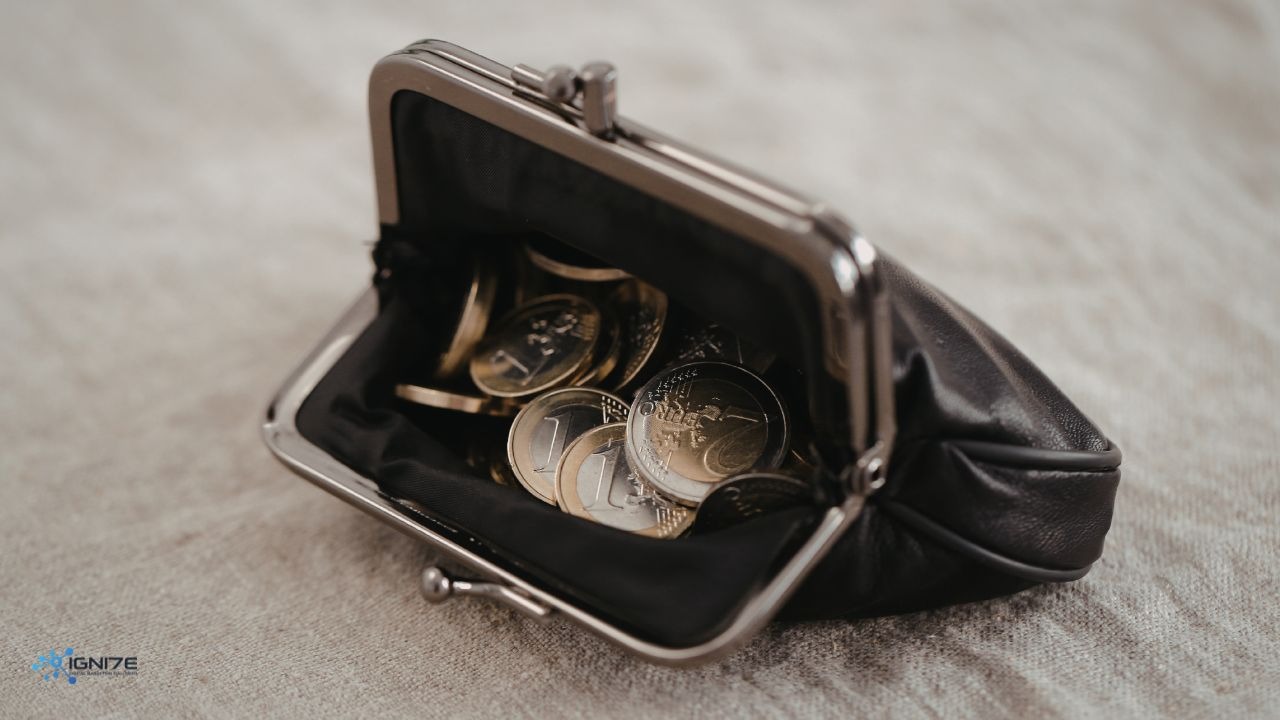
Despite widespread adoption of cashless payments, coins remain heavily used in Japan. Vending machines, small shops, and transportation lockers often accept coins, making a separate coin purse more practical than storing them in a standard wallet.
6. Smartphone and Transit Cards
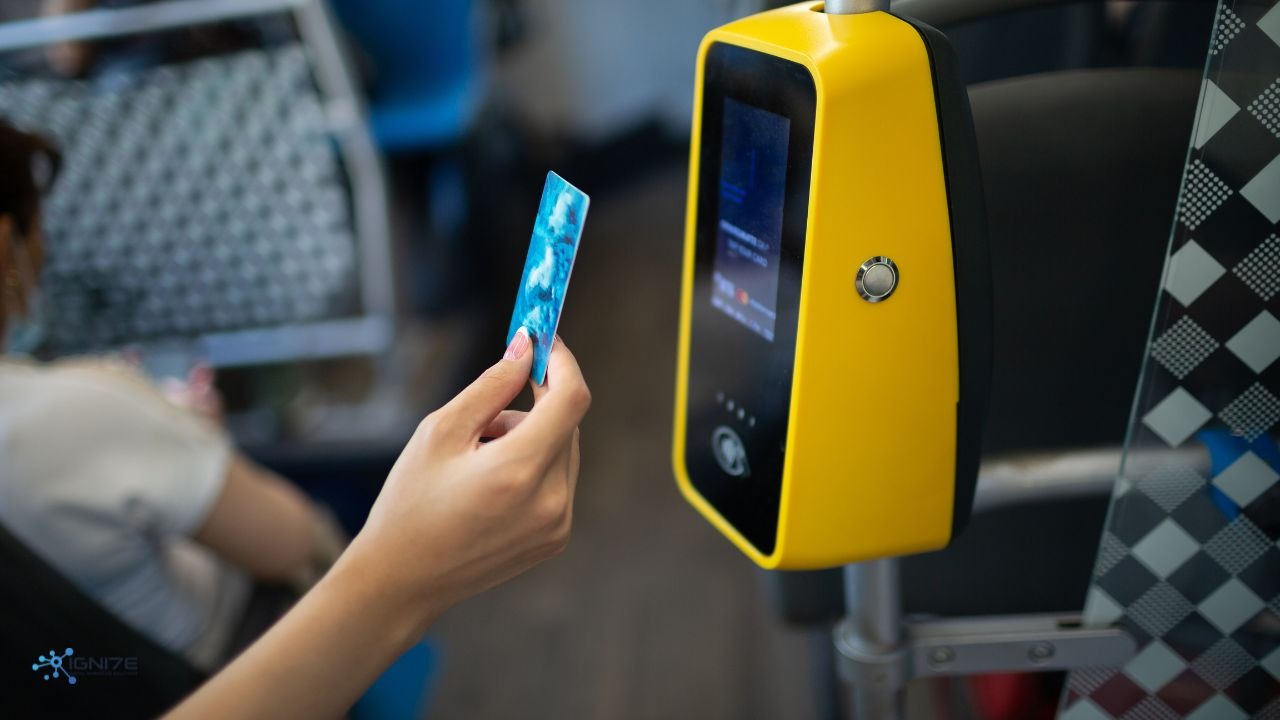
Smartphones are essential for navigation, payments, messaging, and translations. Many users also rely on IC cards such as Suica or PASMO, either as physical cards or stored digitally. These tools are essential given Japan’s complex public transportation networks.
7. Power Bank and Charging Cable
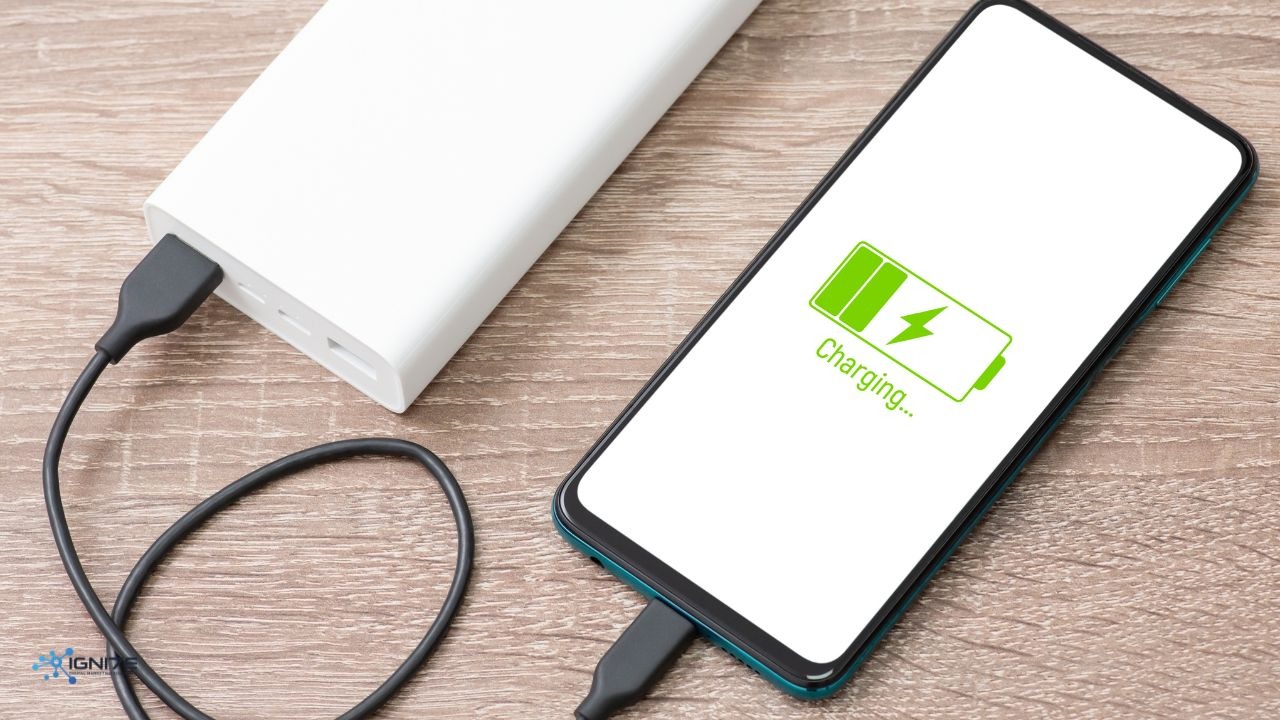
With heavy smartphone usage throughout the day, many people carry a compact power bank. These are particularly useful for long commutes, travel days, or situations where charging outlets are unavailable.
8. Folding Umbrella
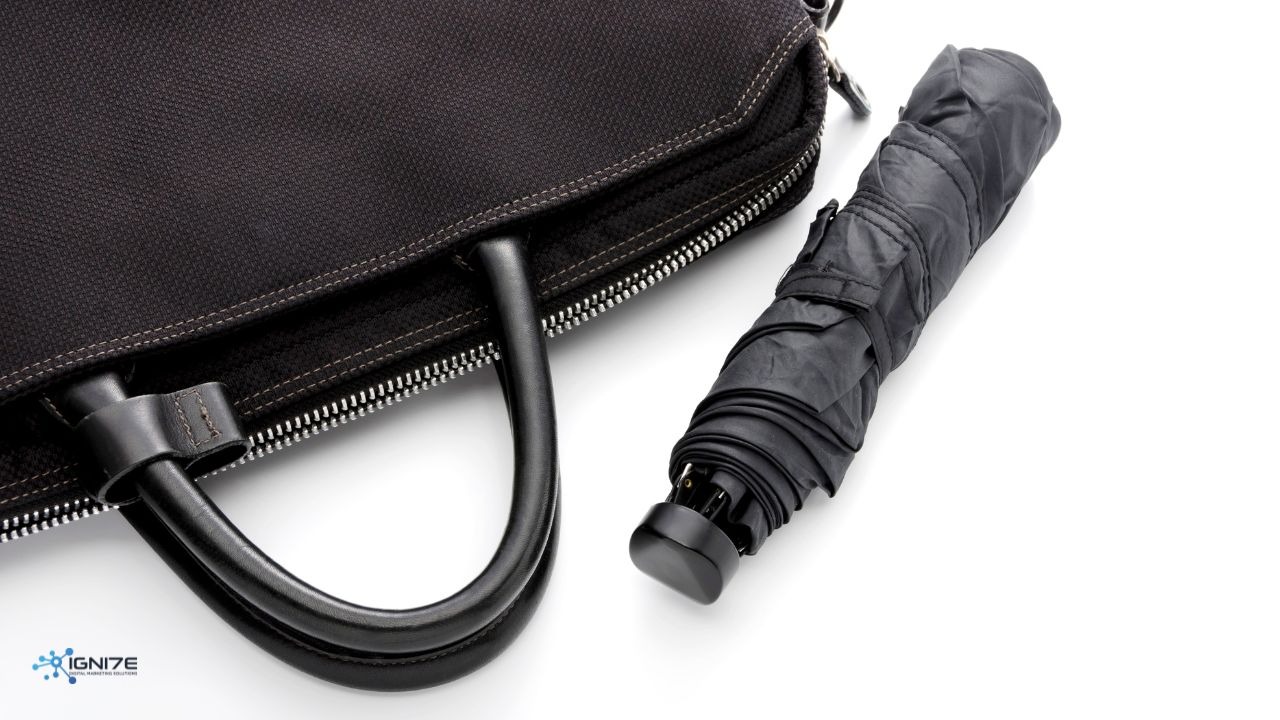
Sudden rain showers are common, especially during certain seasons. Compact folding umbrellas are designed to be lightweight and durable, making them a standard item in many bags regardless of the weather forecast.
9. Small Personal Care Items

Items such as lip balm, hand cream, eye drops, or hair ties are frequently carried. Dry air from heating or air conditioning, long screen time, and weather changes all contribute to the demand for quick personal care solutions throughout the day.
10. Cultural or Personal Tokens
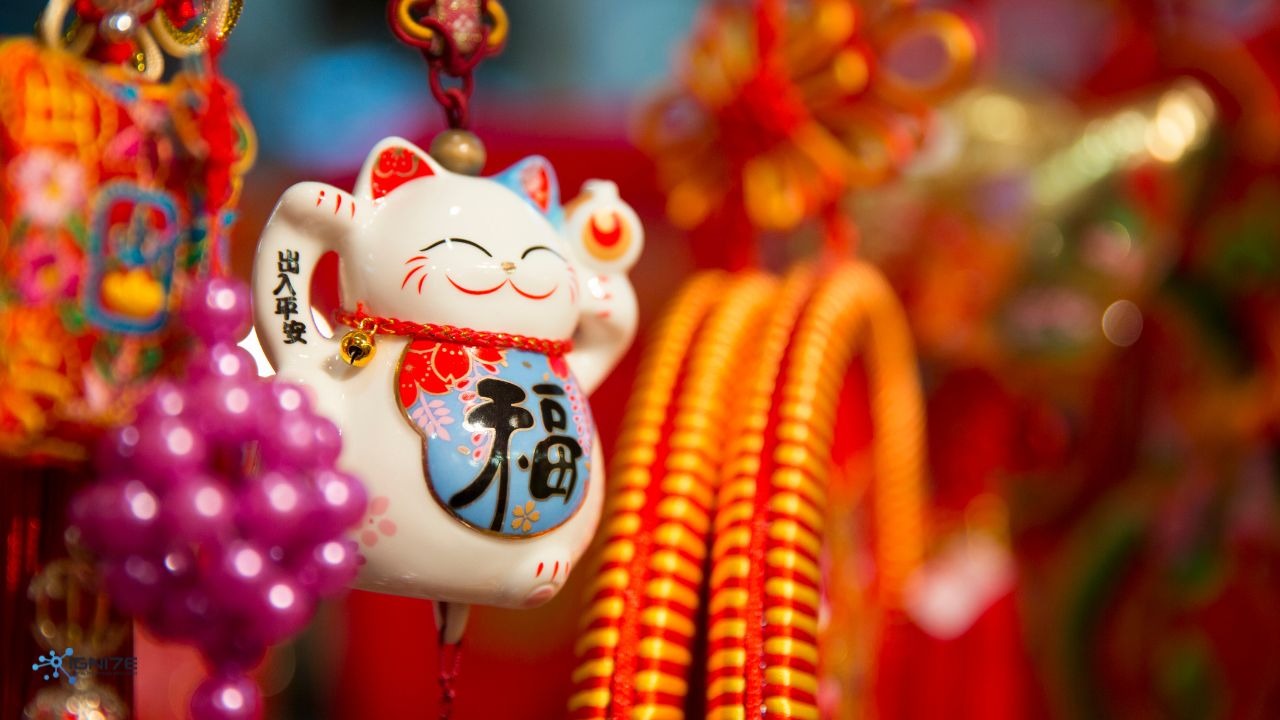
Some people carry small items with personal or cultural significance, such as good-luck charms from shrines. While not universal, these objects reflect the personal side of daily carry, blending practicality with emotional reassurance.
Conclusion
The everyday items Japanese people carry in their bags offer insight into daily life shaped by public transport, compact spaces, and a culture of preparedness. Rather than relying on convenience infrastructure, individuals take responsibility for meeting their own needs in small but thoughtful ways.
For brands and observers alike, these habits highlight how consumer products in Japan succeed not by excess, but by usefulness, portability, and attention to everyday scenarios. Understanding what people carry reveals not just preferences, but the rhythms and values of daily life in Japan.