Top Money Apps Used in Japan


Managing money in Japan has become remarkably efficient thanks to a wide range of digital apps designed for payments, budgeting, banking, remittances, and investing. Whether you're a resident, newcomer, or long-term traveler, understanding the landscape of Japan’s most trusted financial apps can help you navigate daily life with ease and confidence. Below is an organized overview of the top apps Japanese users rely on across each major category.
Ranking of Money Apps Used in Japan
- Mobile Payment Apps
- Digital Banking Apps
- Budgeting Apps
- International Transfer Apps
- Investment Apps
1. Mobile Payment Apps
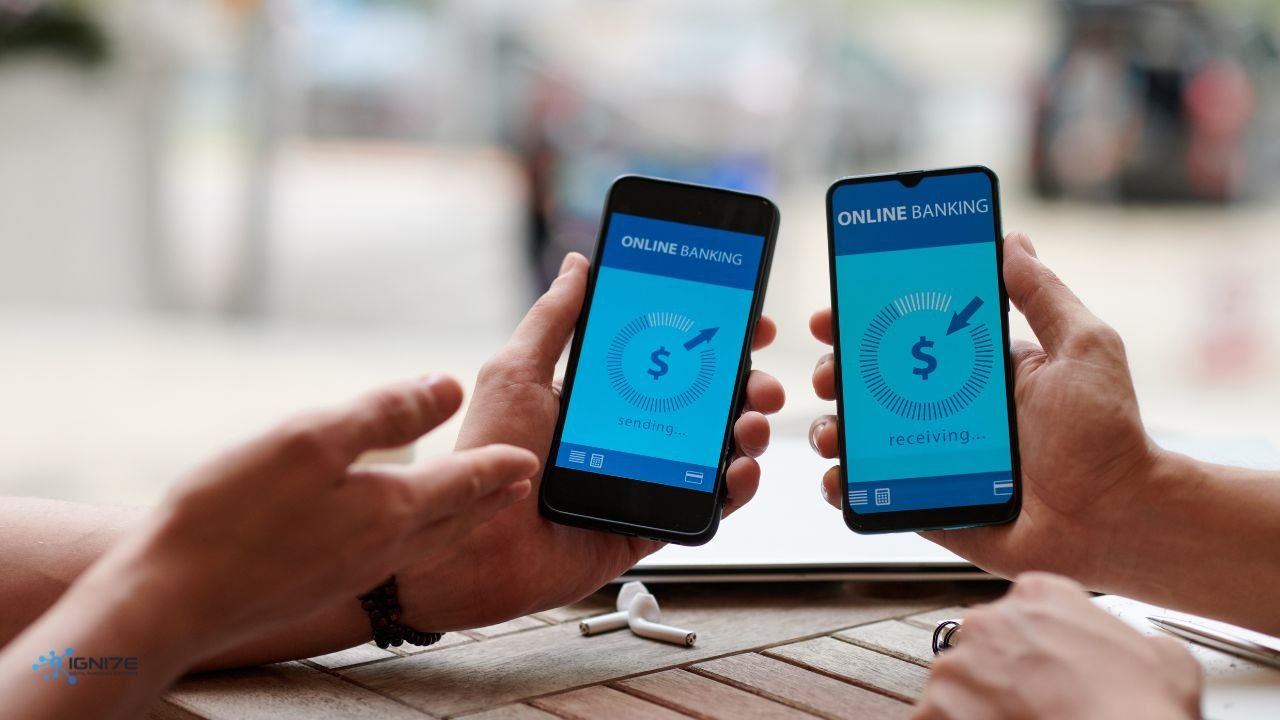
Digital wallets have become part of everyday transactions, used at convenience stores and train stations. These apps allow quick QR payments, balance top-ups, and loyalty point integration.
- PayPay: One of the most widely used QR payment platforms, known for its intuitive design, cashback campaigns, and broad acceptance nationwide.
- Mobile Suica: Ideal for commuters; works for trains, buses, vending machines, and select stores. Its tap-and-go speed makes it indispensable for transportation.
- Rakuten Pay: Integrates tightly with Rakuten Points, making it popular among heavy users of the Rakuten ecosystem.
- FamiPay: A FamilyMart-centric wallet offering coupons, points, and easy bill payment via barcode.
- dBarai: NTT Docomo’s payment app, offering point boosts and broad compatibility with major retail chains.
- au PAY: KDDI’s payment platform featuring au PAY Points and frequent promotional campaigns.
- Merpay: A cashless wallet tied to the Mercari marketplace, allowing users to spend sales earnings directly.
- LINE Pay: Built into LINE, Japan’s most popular messaging app, it enables quick payments and money transfers among friends.
- YuchoPay: Japan Post Bank’s cashless app for simple QR payments within the Yucho ecosystem.
2. Digital Banking Apps

Japan’s online banks offer smooth mobile experiences, high usability, and practical tools for daily banking.
- SBI Sumishin Net Bank: A top-tier digital-only bank offering competitive interest rates and efficient interface design.
- Sony Bank: Known for user-friendly foreign currency accounts and seamless international card usage.
- au Jibun Bank: Integrated with the au ecosystem, offering convenient features such as instant balance viewing and automated savings tools.
- Rakuten Bank: A leading online bank with substantial rewards when paired with Rakuten services.
- PayPay Bank: Formerly Japan Net Bank; now optimized for PayPay users with fast transfers and streamlined account setup.
3. Budgeting Apps

Japanese users often rely on detailed household budgeting tools, known as kakeibo, to track spending and savings. These apps automate data aggregation and provide clean financial dashboards.
- Money Forward ME: One of Japan’s most comprehensive budgeting tools, syncing with banks, credit cards, investments, and e-wallets.
- OsidOri: Designed for families and couples managing shared and personal budgets.
- Zaim: A long-standing app valued for simplicity and flexible household tracking features.
- Dr. Wallet: Unique for its receipt-scanning service, where actual humans input the data for increased accuracy.
- Moneytree: A polished, privacy-focused app that consolidates financial accounts across institutions.
- OkaneReco: A straightforward budgeting tool with daily expense tracking.
- Mainichi Kakeibo: Encourages traditional daily expense recording with a digital twist.
- Rakuna Kakeibo: A minimalist kakeibo app ideal for users who prefer manual input and simple organization.
4. International Transfer Apps

For foreign residents and global users, these apps offer low-cost, fast, and transparent cross-border remittances.
- Curfex: Known for compliance-focused transfers and competitive rates for international workers.
- Smiles: Popular for fast, reward-supported remittances.0
- Wise: Offers real-exchange-rate transfers, multi-currency accounts, and reliable global coverage.
- PayPal: Well-established for cross-border payments and international online transactions.
- SBI Remit: A major domestic remittance player, offering both online transfers and cash pick-up options.
5. Investment Apps

With growing interest in personal investing, these apps provide mobile access to stocks, ETFs, NISA accounts, and more.
- SBI Securities App: Offers robust trading functionality, research tools, and NISA support.
- Rakuten Securities (iSPEED App): Popular among beginners and seasoned investors for its clean interface and Rakuten Point investment integration.
- Matsui Securities App: A straightforward trading app, considered one of the most cost-efficient trading systems in Japan.
- Monex Securities App: Providing comprehensive market data, the app supports stock trading, mutual funds, margin trading, and NISA accounts.
- PayPay Securities: Simple, low-barrier investing that lets users buy small stock portions using their PayPay balance.
Conclusion
Japan’s financial app ecosystem is diverse, efficient, and evolving quickly. From daily transit and QR payments to international remittances, budgeting tools, online banking, and investment platforms, each category offers reliable options tailored to different lifestyles. Choosing the apps that align with your habits, whether you prioritize rewards, convenience, or global flexibility, lets you navigate life in Japan with greater ease and take control of your finances with certainty.






.avif)